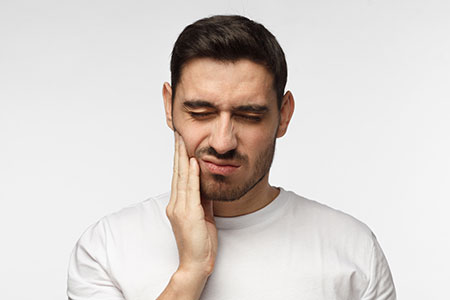
Traumatic Dental Injuries: What to Do in the First Hour


Accidents don’t RSVP. A fall at the pool, an elbow on the court, a hard bite on a fork—traumatic dental injuries can happen in a breath. Quick, steady action in the first hour protects the tooth, lowers pain, and improves long-term results.
The Most Common Traumatic Dental Injuries
Traumatic dental injuries land on a spectrum:
• Chipped enamel: A small corner breaks off; often painless but sharp.
• Cracked or fractured tooth: Pain on biting or temperature changes; may expose the nerve.
• Luxation (tooth moved or loosened): The tooth shifts position or feels wobbly.
• Avulsion (tooth knocked out): The whole tooth comes out—this is a true emergency.
• Root fractures & soft-tissue cuts: Hard to see without X-rays; gums and lips may bleed.
Knowing which of these traumatic dental injuries you’re facing guides the next move.
First Aid You Can Do Right Now
For most traumatic dental injuries, start with calm, clean steps:
• Control bleeding: Apply gentle pressure with gauze or a clean cloth.
• Rinse, don’t scrub: If there’s dirt or debris, a brief rinse with clean water is fine.
• Cold compress: 10–20 minutes on, then off, to limit swelling.
• Pain relief: Over-the-counter options help; avoid aspirin for kids.
If a Permanent Tooth Is Knocked Out (Avulsion)
This is the most urgent of all traumatic dental injuries.
• Pick it up by the crown, not the root.
• If dirty, gently rinse with milk or saline—no scrubbing.
• Reposition immediately if you can (hold in place by biting on gauze).
• No reimplantation for baby teeth.
• If you can’t reinsert, store in milk or saline—never dry, never tap water—and get to care within 30–60 minutes.
What to Tell the Office When You Call
A quick summary speeds help for traumatic dental injuries: What happened? Which tooth? How long ago? Any medical conditions or medications? Photos can help. If the tooth moved, don’t keep pushing it around—leave it and let the specialist reposition it.
What the Endodontist Will Do
For traumatic dental injuries, care is precise and stepwise:
• Exam and imaging (digital X-rays or CBCT) to assess root and bone.
• Repositioning and flexible splinting for loosened or displaced teeth.
• Pulp testing and follow-up to watch for nerve changes over weeks to months.
• Root canal treatment if the pulp becomes necrotic, especially common in mature (fully developed) teeth after luxation or avulsion.
• Fragment bonding or crowns for fractures; apexification or regenerative techniques for young teeth with open roots.
Kids vs. Adults: Different Teeth, Different Plans
Young teeth have bigger pulp spaces and open root tips, so some traumatic dental injuries heal differently in kids. Your team may monitor vitality and root development before choosing a root canal, aiming to keep the tooth alive if possible. Baby teeth are handled conservatively to protect the developing permanent tooth underneath.
Warning Signs After the Accident
Even when a tooth looks “okay,” watch for signs that traumatic dental injuries need further care: color changes, lingering temperature sensitivity, pain when biting, a pimple on the gum, or mobility that doesn’t improve after splint removal.
Protection Going Forward
Mouthguards matter. A custom sports guard lowers the risk and severity of traumatic dental injuries during contact sports. At home, avoid chewing ice, popcorn kernels, or very hard candies—small choices that spare your enamel from surprise fractures.
Benefits (Reflected in Professional Guidance)
Time-Sensitive Success
Endodontic and trauma guidelines stress that quick reimplantation of avulsed teeth improves survival dramatically.
Structured Follow-Up
Professional protocols highlight scheduled testing and imaging to catch late nerve changes after traumatic dental injuries.
Tooth Preservation First
The consensus across dental organizations is clear—preserving the natural tooth, when possible, is the priority for function and long-term health.
Stay Calm, Act Quickly
With traumatic dental injuries, minutes count but panic doesn’t help. Clean the area, protect the tooth, and call a specialist who treats dental trauma every day. Small, steady steps in the first hour pay off for years.
Need urgent guidance now? Contact Lake Houston Endodontics in Humble, TX at (832) 777-6056 to schedule a consultation for any traumatic dental injuries—same-day help is available.