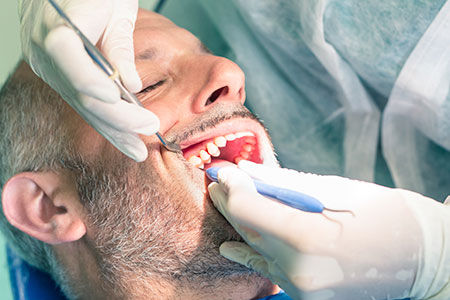
Saving Your Smile: The Importance of Root Canal Treatment

What’s the real cost of “waiting to see if it gets better”? When a tooth hurts or a gum pimple keeps returning, time rarely fixes it. That’s why the importance of root canal treatment is hard to overstate—it stops infection at its source and preserves your natural tooth. Keeping your own tooth isn’t just sentimental; it’s smart for your bite, your jawbone, and your everyday comfort.

Why the Importance of Root Canal Treatment Is So High

A tooth’s pulp can become inflamed or infected from deep decay, a crack, or trauma. Left untreated, bacteria multiply inside the root, pressure builds, and an abscess can form. The importance of root canal treatment lies in its precision: remove the diseased tissue, disinfect the canals, and seal them to prevent reinfection. That targeted approach relieves pain and prevents spread into surrounding bone.

What the Procedure Looks Like

Numbing & Comfort

A gentle local anesthetic ensures the tooth is fully numb. Sedation is available if you’re anxious.

Access & Cleaning

A small opening allows instruments to remove inflamed pulp and shape each canal.

Disinfection & Sealing

The canals are cleaned with antibacterial solutions and sealed with a biocompatible material.

Temporary Fill & Final Crown

A temporary filling protects the tooth until your general dentist places a strong, well-sealed crown.

The importance of root canal treatment also shows up in your recovery: most people return to routine the same day or next. Mild tenderness is normal for a day or two and can be managed with over-the-counter medication.

Why Saving the Tooth Matters

Teeth aren’t just chewing tools—they guide jaws, support facial shape, and keep neighboring teeth from drifting. Extracting a tooth can lead to shifting, bite changes, and bone loss in the area. Replacing a missing tooth often requires an implant or a bridge, each with added steps and cost. When a tooth can be saved predictably, the importance of root canal treatment is clear: it keeps what you were born with, which usually feels and functions best.

Signs You Shouldn’t Ignore

Lingering sensitivity to hot or cold

Pain when chewing or touching the tooth

Gum swelling or a pimple-like bump near the tooth

Darkening of the tooth after an injury

A tooth that aches spontaneously, even at night

Early Care Beats Emergency Care

Once symptoms start, they tend to escalate. Acting early typically means simpler visits, less swelling, and easier recovery. Waiting can allow infection to spread, which may require antibiotics or additional procedures. The importance of root canal treatment is also about timing: sooner is easier.

Who Performs the Care?

General dentists perform many root canals, and endodontists—specialists in the inside of the tooth—handle complex cases, retreatment, and traumatic injuries. Endodontic training focuses on advanced imaging, microscopes, and specialized tools that make precise, comfortable treatment possible. If your case is tricky, an endodontist’s expertise underscores the importance of root canal treatment as the most reliable path to saving the tooth.

What Happens If You Delay?

Postponing care lets bacteria establish deeper infection. Pressure can build, creating an abscess that may drain through the gum or cause facial swelling. Chewing avoids the sore side, which can strain the jaw and wear other teeth. In advanced cases, bone can be damaged around the root. The importance of root canal treatment includes preventing these complications early, when the solution is simpler and the tooth is more predictable to save.

Protecting Your Investment Afterward

A root-treated tooth is stable on the inside, but it still needs protection on the outside. A well-fit crown shields it from biting forces and seals the top against new bacteria. Regular exams and X-rays help confirm healing. If you grind at night, a simple guard can reduce stress on the tooth and crown. Keep up with brushing, flossing, and a tooth-friendly diet—these habits support the importance of root canal treatment by helping the tooth last.

Costs and Value

Fees vary by tooth and complexity, yet the importance of root canal treatment often shows up in the math. Saving a tooth can be more cost-effective than extraction plus replacement. Many insurance plans cover a portion of the procedure and the subsequent crown. A written plan maps out each step so you can budget with clarity.

FAQs For Peace of Mind

Will it hurt?

With modern anesthesia, the appointment is usually comfortable. The goal is to relieve pain, not cause it.

How long does it last?

With a proper crown and good home care, a treated tooth can last for many years—often decades.

What if it doesn’t work?

Retreatment or microsurgery can address rare persistent issues. The importance of root canal treatment includes having proven backup options.

Benefits (Supported by Professional Guidance)

Predictable Pain Relief

Clinical guidance emphasizes that removing infected pulp and sealing canals relieves pain and controls infection.

High Survival with Proper Restoration

Specialty statements report strong long-term outcomes when a well-sealed crown follows treatment.

Bone and Bite Preservation

Keeping your natural root supports jawbone and maintains your bite—advantages often highlighted across restorative and endodontic literature.

Quality of Life

Eating, smiling, and speaking feel natural when your own tooth remains—a practical benefit emphasized throughout patient-reported outcomes research.

A Smart, Conservative Choice

When you add it up—relief, preservation, and function—the importance of root canal treatment is straightforward. It’s a calm, conservative way to stop infection and keep your smile strong without jumping straight to replacement options. If a tooth has been nagging you, there’s a good chance relief and healing can begin in a single appointment. A quick exam and an X-ray are usually all it takes to map a clear treatment plan and timeline.

Want clear answers and lasting relief? Contact Lake Houston Endodontics at (832) 777-6056 in Humble, TX to Schedule a Consultation and learn whether root canal treatment can save your smile.

Root Canals – What Are They?

Published: July 29, 2025

Ever wonder why a tooth that looks fine can throb like a drum? Here’s the thing: pain often starts inside the tooth, where you can’t see it. That’s exactly where root canals step in—quiet, precise care that treats the source, not just the symptoms. If you’ve heard scary stories about root canals, take a breath. Modern techniques are gentle, efficient, and focused on saving your natural tooth for the long haul.

The Simple Definition Behind a Big Name

A root canal treats the soft center of the tooth (the pulp) when it becomes inflamed or infected from deep decay, cracks, or trauma. During root canals, the diseased pulp is carefully removed, the canals are disinfected, and the inside of the tooth is sealed to prevent reinfection. Think of it as cleaning a narrow hallway and then locking it tight. The outer tooth remains; what changes is the health of the inside.

Why Root Canals Are Needed

Untreated infection doesn’t just “go away.” It can spread into the jawbone, damage tissue, and even create an abscess. Root canals stop that cascade early. Typical warning signs include lingering sensitivity to hot or cold, pain when chewing, swelling, or a pimple-like bump on the gums. Sometimes there’s no pain at all—X-rays and tests pick up trouble before it erupts. By addressing the internal infection, root canals protect your comfort and your overall health.

Common Causes You Might Not Expect

Deep decay is obvious, but several quiet culprits can lead to root canals. A tiny crack from grinding at night, a loose filling that lets bacteria sneak in, or repeated dental work on the same tooth can irritate the pulp over time. Sports injuries and accidents are another trigger, especially when a tooth darkens after a hit. Even if pain fades, the pulp may remain unhealthy, and root canals are the solution that resolves the underlying issue.

What to Expect During Treatment

At a specialty office like Lake Houston Endodontics in Humble, TX, root canals are planned and predictable.

Diagnosis

Digital X-rays or 3D imaging map the tooth’s internal anatomy.

Comfort First

Local anesthesia numbs the tooth completely, and sedation is available if you’re anxious.

Access & Cleaning

A small opening allows gentle instruments to remove infected pulp and shape the canals.

Disinfection & Seal

Antibacterial rinses cleanse the canals, then a rubber-like material (gutta-percha) seals them.

Temporary Protection

A temporary filling closes the opening. Your general dentist then restores the tooth—often with a crown—to reinforce it after root canals.

The appointment length depends on the tooth’s anatomy, but most root canals are completed in one visit. Multi-rooted molars can take a bit longer simply because they have more canals to clean thoroughly. Either way, you leave with pain relief and a clear plan for final restoration.

Does a Root Canal Hurt?

With modern anesthesia and technique, root canals are typically no more uncomfortable than getting a filling. In fact, most people feel relief after treatment because the inflamed nerve tissue—the source of the ache—is gone. Mild tenderness for a day or two is common and manageable with over-the-counter medication. If you tend to clench or grind, consider using a nightguard while the area settles down.

Life After Treatment: Care and Longevity

Be gentle with the tooth until your permanent restoration is placed. Avoid chewing hard foods on that side and keep brushing and flossing normally. Once fully restored, teeth treated with root canals can function for many years—often decades—with routine dental care. Follow-up visits and X-rays help confirm healing and catch any issues early. Most patients forget which tooth had the procedure once the crown is in place and the bite feels natural again.

Technology That Makes It Easier

Magnification, illumination, and advanced nickel-titanium instruments make root canals more precise than ever. Ultrasonic tips help clean tiny spaces, and bioceramic sealers create a tight, long-lasting seal. 3D CBCT imaging can reveal hidden canals so they aren’t missed. All of these tools support the same goal: a comfortable visit and a tooth that heals predictably after root canals.

FAQs You Might Be Thinking

Will I need a crown?

Back teeth (molars and premolars) usually do best with a crown after root canals because they absorb heavy chewing forces.

How long does numbness last?

A few hours, depending on the anesthetic used. Plan soft foods for the first meal.

Can I go back to work?

Most people return the same day or the next. Take it easy if you feel tired.

What if I’m anxious?

Oral, inhalation, and IV sedation can be added to make root canals as stress-free as possible.

Costs and Insurance Basics

Every case is unique, but root canals often compare favorably with the cost of extraction plus replacement. Insurance plans commonly cover a portion of the procedure and the final crown. If you’re concerned about cost, ask for an itemized plan—knowing the steps and fees helps you make a confident decision to save your tooth with root canals.

Benefits (Grounded in Professional Guidance)

Tooth Preservation

Endodontic specialty guidance consistently shows high long-term survival of teeth treated with root canals, especially when promptly restored with a well-sealed crown.

Pain Relief & Infection Control

Removing infected pulp and sealing canals eliminates the source of pain and helps prevent infection from spreading.

Efficient Recovery

Most patients resume normal activities quickly after root canals, with minimal downtime.

Function and Bite Stability

Keeping your natural root helps maintain jawbone and normal chewing mechanics—key for comfortable, balanced function.

Putting It All Together

If you value comfort, function, and keeping your natural smile, root canals are one of dentistry’s most reliable solutions. They’re precise, effective, and designed to protect both your health and your bite. When handled by an endodontic specialist, the process is calm, careful, and aimed at saving what matters—your tooth. If you’ve been waiting, consider this your nudge: relief and preservation can go hand in hand.

Ready to save your tooth and feel better fast? Contact Lake Houston Endodontics in Humble, TX at (832) 777-6056 to schedule a consultation today.

Root Canals in Humble, TX: Comfortable Care That Saves Your Tooth

Tooth pain can be confusing. One day it’s a dull throb, the next it stings when you sip coffee or chew a crunchy snack. Root canals are designed to solve that problem at the source. By removing inflamed pulp, disinfecting the canals, and sealing the space, root canals relieve pain and protect your natural tooth—without changing how your smile looks.

Why Root Canals Are Often the Smart Choice

Inside every tooth is a soft core of nerves and blood vessels. Deep decay, a crack, a heavy bite, or trauma can allow bacteria to reach that space and irritate the nerve. Once the pulp is inflamed or infected, it cannot heal on its own. Root canals remove the irritated tissue and seal the canal system so bacteria have nowhere to live. The goal is simple: stop the ache, stop the spread, and keep your tooth in place.

Signs You Might Need Root Canals

Lingering sensitivity after hot or cold, pain on chewing (especially on release), a pimple-like bump on the gums, swelling, or a darkening tooth after an injury are all red flags. Sometimes there’s no pain at all—X-rays reveal a shadow near the root tip. If any of these sound familiar, ask about root canals so problems don’t escalate.

What Happens During Treatment

Comfort first. Local anesthesia numbs the tooth completely. If you’re anxious, sedation is available.

Access and cleaning. A small opening allows tiny instruments to remove inflamed tissue and shape the canals.

Disinfection and seal. Antibacterial rinses cleanse the space, and a biocompatible material seals the system.

Temporary protection. A temporary filling closes the opening until your general dentist places a strong final restoration.

How Root Canals Feel—During and After

With modern anesthesia and gentle techniques, root canals feel similar to getting a filling. You may notice pressure and vibration, but not sharp pain. Most patients return to regular routines the same day or the next. Mild tenderness for a day or two is common and responds well to over-the-counter medication. Chew gently on the other side until the permanent restoration is placed.

Benefits of Root Canals

Pain relief. Removing irritated tissue stops the ache at the source.

Tooth preservation. Keeping your own root helps maintain bone and bite alignment. That stability protects neighboring teeth and jaw joints.

Natural appearance. Your smile looks unchanged; the improvement is how it feels.

Efficient recovery. Most patients resume normal routines quickly after root canals.

Aftercare and Recovery

Most people feel immediate relief after root canals. Avoid chewing hard foods on the treated side until your final crown or filling is placed. Brush and floss as usual, and keep the area clean. If your bite feels “high,” call your dentist; a tiny adjustment can make a big difference in comfort.

When Root Canals Aren’t the Right Answer

If a tooth is split vertically, if there isn’t enough structure left to hold a crown, or if periodontal disease is advanced, removing and replacing the tooth may be more predictable. Honest diagnosis helps choose the best path. When appropriate, retreatment or apical surgery can support a prior therapy and keep a valuable tooth in service.

Root Canals vs. Extraction and Replacement

Extracting a tooth solves the immediate infection but introduces a new decision: implant, bridge, or partial denture? Each has more steps, time, and cost. When a tooth can be saved predictably, root canals are often the most conservative way to restore comfort and function while preserving your natural bite and bone.

FAQs About Root Canals

Will it hurt? With modern anesthesia and gentle technique, root canals feel similar to getting a filling.

How long do they take? Many teeth are completed in one visit; multi-rooted molars can take a bit longer because they have more canals.

Do I need a crown? Back teeth usually do because of chewing forces. Front teeth may be restored with a strong filling or crown depending on how much structure remains.

How long will it last? With a well-sealed restoration and good home care, teeth treated with root canals can last for many years—often decades.

Protecting Your Investment

After root canals, protect the tooth with a timely crown, wear a nightguard if you clench, and keep regular cleanings. Avoid chewing ice or very hard foods on restored teeth. If your bite ever feels off, small adjustments prevent big problems. Good habits help a comfortable result last.

Who Performs Root Canals?

Many general dentists perform routine cases, while endodontists—specialists focused on the inside of the tooth—handle complex anatomy, retreatment, and trauma. Endodontists use microscopes, advanced instruments, and 3D imaging to find hidden canals and seal them thoroughly. Whether your case is straightforward or tricky, the shared aim is the same: comfortable care and a predictable result.

Technology That Improves Outcomes

Modern root canals benefit from magnification and illumination that reveal tiny details. Flexible nickel-titanium instruments follow curved canals gently, ultrasonic tips help clean fine spaces, and bioceramic sealers create a tight barrier against bacteria. These tools support the same goal—relief today and a healthy tooth tomorrow.

Signs You Shouldn’t Ignore

If cold sensitivity lingers for 10–30 seconds after the source is gone, if you feel a quick “zing” when you release your bite, or if a small pimple appears on the gum near one tooth, those are classic signals to ask about root canals. A tooth that darkens after an injury is another clue that the nerve has changed. Even if pain fades, the underlying issue may remain—early treatment is easier treatment.

Cost and Value

Fees vary based on the tooth and its anatomy, but many patients find that saving a tooth with root canals compares favorably with the cost and time of extraction plus replacement. A written treatment plan outlines each step, including the final crown, so you can budget with clarity and avoid surprises.

Common Myths—Cleared Up

“Root canals are painful.” Modern anesthesia makes the appointment comfortable, and most people feel better because the irritated nerve tissue is removed.

“A tooth is weak after treatment.” It’s the original crack or decay that removed structure. A well-designed crown restores strength and protects the tooth after root canals.

“Antibiotics alone can fix it.” Medication can calm swelling but cannot reach bacteria sealed inside canals. Cleaning and sealing are the definitive steps.

Prevention for the Future

Good habits reduce the chance you’ll need root canals on other teeth. Choose a soft toothbrush, brush twice daily with fluoride toothpaste, floss every day, and limit frequent sugary snacks and acidic drinks. Wear a mouthguard for sports and a nightguard if you clench or grind. Regular checkups catch small problems early—long before they become emergencies.

With the right plan and timely care, root canals restore comfort while keeping your natural smile right where it belongs.

A Simple Path to Relief

Few things improve quality of life faster than getting out of dental pain. root canals offer a calm, conservative way to do exactly that while preserving your natural tooth. If you’re weighing options, let us help you choose with clarity and confidence. Call Lake Houston Endodontics at (832) 777-6056 or visit 19100 West Lake Houston Parkway #103, Humble, TX to schedule a consultation for root canals today.

Root Canal vs. Extraction: What’s Best to Save Your Tooth in Humble, TX

Facing a Tough Choice About a Hurting Tooth?

When a tooth aches or becomes infected, it’s natural to wonder whether a root canal or an extraction is the smarter move. While removing the tooth can feel like a quicker fix, keeping your natural tooth often protects your bite, your budget, and your long-term oral health. In the Humble and Atascocita area, Lake Houston Endodontics focuses on one goal: saving teeth comfortably and predictably whenever possible.

Understanding the Core Difference

A root canal treats infection inside the tooth by gently cleaning and sealing the canals. The visible tooth remains, later reinforced with a crown. An extraction removes the tooth entirely, which then requires a replacement—often a bridge or an implant—to restore function and appearance. Although both options alleviate pain, they lead to very different long-term paths for your smile.

Why Saving Your Natural Tooth Often Wins

Teeth don’t just help you chew; they stabilize neighboring teeth, protect bone, and preserve natural jaw function. When a tooth is extracted, the bone in that area begins to resorb over time. Replacing the tooth helps, but even advanced options like implants require healing time, adequate bone, and additional cost. In many cases, a properly performed root canal and crown provide years—often decades—of comfortable function without surgical replacement.

Comfort and Predictability With Modern Endodontics

Root canals have evolved dramatically. Today’s specialty care uses 3D imaging (CBCT), surgical microscopes, and biocompatible sealing materials to make treatment precise and efficient. Local anesthesia ensures the procedure is comfortable. Most patients say a modern root canal feels similar to getting a filling, and they’re surprised at how quickly relief arrives.

When Extraction May Be the Better Choice

There are times when extraction is appropriate. These include vertical root fractures that split a tooth, severe decay that leaves too little structure to support a crown, or situations where the tooth’s roots are compromised beyond repair. Your endodontist will evaluate your X-rays, response to tests, and overall health before recommending the best path.

Cost and Timeline Considerations

A common misconception is that extraction is cheaper. While the initial fee to remove a tooth may be lower than a root canal, the total cost of restoring that space typically exceeds the cost of saving the tooth. Bridges require altering adjacent teeth; implants involve multiple appointments and healing phases. A root canal usually takes one visit, followed by a crown with your general dentist, and then you’re done.

Everyday Benefits You’ll Notice

  • Natural bite feel: Your own tooth keeps your chewing pattern steady.
  • No shifting: Neighboring teeth don’t drift into an empty space.
  • Straightforward care: Brush, floss, and maintain regular checkups as usual.

Who Performs Each Treatment?

Endodontists are specialists in treating tooth pain and infection from the inside. If your dentist recommends a root canal, you’ll likely be referred to an endodontic practice—like ours in Humble—for diagnosis and treatment. If extraction becomes necessary, we’ll coordinate with your general dentist or an oral surgeon and discuss next-step replacement options.

What to Expect If You Choose a Root Canal

At your visit, we’ll confirm the diagnosis, numb the tooth completely, and isolate it with a comfortable protective shield. Using small instruments and magnification, the canals are cleaned and shaped, then sealed to block bacteria. You’ll return to your dentist for a permanent crown, which reinforces the tooth for daily chewing.

What to Expect If You Choose Extraction

We’ll explain how removing the tooth may affect your bite and go over replacement options such as implants or bridges. We’ll also discuss healing time, temporary solutions for the gap, and timelines for final restoration. Our goal is clarity—so you can plan confidently.

Bottom Line for Humble & Atascocita Patients

If a tooth can be saved, a root canal plus crown often delivers the best blend of comfort, longevity, and value. If extraction is the right call, we’ll help you plan a strong replacement. Either way, you’ll have a personalized roadmap from specialists who do this every day.

Ready to get answers fast? Call Lake Houston Endodontics in Humble, TX at (832) 777-6056 to Call Us Today and find the best path to save your smile.

Don’t suffer in silence—if you’re experiencing persistent tooth sensitivity or discomfort, contact our office in Humble, TX to learn how root canal therapy can save your smile.

Root Canal Treatment Options

Published: July 29, 2025

Root canal treatment has come a long way with modern dental innovations. At Lake Houston Endodontics, we offer safe and effective options to preserve your natural teeth while eliminating infection and pain.

There are several paths to a successful root canal outcome depending on your case: initial endodontic therapy, retreatment of failed root canals, or even microsurgical endodontics. We provide a full evaluation to determine the best approach for your needs.

Don’t suffer in silence—if you’re experiencing persistent tooth sensitivity or discomfort, contact our office in Humble, TX to learn how root canal therapy can save your smile.

Root Canal Myths vs. Facts: Comfortable Care With Modern Technology

Heard a Horror Story About Root Canals?

Outdated stories about root canals still circulate, but modern endodontics tells a very different tale: precise diagnosis, comfortable treatment, and fast relief. Let’s separate myths from facts so you can make confident decisions about your care.

Myth \#1: Root Canals Are Painful

Fact: The procedure is done under local anesthesia, so you’re numb and comfortable. Most patients compare it to getting a filling. The real culprit is the infection causing the pain—treatment removes that source and brings relief.

Myth \#2: Extraction Is Easier

Fact: Removing a tooth may feel simpler initially, but replacing it often requires more time, more visits, and higher overall cost. Saving your natural tooth protects your bite and helps maintain bone.

Myth \#3: Root Canals Don’t Last

Fact: With precise sealing and a well-fit crown, root-canal-treated teeth can last many years. Good home care, regular checkups, and addressing clenching or grinding further extend longevity.

Myth \#4: You Don’t Need a Specialist

Fact: Endodontists perform root canal procedures all day, every day. With advanced imaging and microscopes, specialists find hidden canals and subtle cracks that might otherwise be missed—key to long-term success.

How Technology Improves Comfort and Outcomes

  • 3D CBCT Imaging: Reveals hidden anatomy and exact problem areas.
  • Surgical Microscopes: Provide enhanced visibility for precision care.
  • Modern Materials: Biocompatible sealers and gentle instrumentation protect tooth structure while eliminating bacteria.

What You’ll Feel During and After

You’ll feel the numbing shots—for a few seconds—and then pressure and vibration as we work, but not sharp pain. Afterward, mild tenderness is common and short-lived. Most patients return to normal routines quickly and are surprised at how simple the process felt.

Your Role in a Great Outcome

Follow the after-visit instructions, return to your general dentist for the final crown, and keep routine cleanings. Avoid chewing hard objects and consider a night guard if you clench. These simple steps protect your investment.

Local Angle: Care Close to Home

If you live in Humble, Atascocita, or Kingwood, specialty endodontic care is nearby. We tailor every plan to your specific tooth, health history, and timeline—so you get the right fix, right away.

Have questions or anxiety about treatment? Contact Lake Houston Endodontics in Humble, TX at (832) 777-6056 to Schedule a Consultation and get clear, calm answers.

Know the Red Flags: Signs and Symptoms of Needing a Root Canal

When does a toothache cross the line from “annoying” to “please fix this now”? The truth is, problems inside a tooth don’t always shout; sometimes they whisper. Understanding the signs and symptoms of needing a root canal helps you act early, avoid emergencies, and save your natural tooth with calm, predictable care.

Why Pulp Trouble Starts in the First Place

Deep decay, a crack from night grinding, a leaky filling, or a blow to the face can irritate the pulp (the soft tissue inside your tooth). Once bacteria reach that space, the pulp gets inflamed and can’t heal on its own. That’s why the signs and symptoms of needing a root canal often appear after a cavity felt “fine” for months or a minor chip seemed harmless.

The Big Five: Signs and Symptoms of Needing a Root Canal

Here are the most common signs and symptoms of needing a root canal that deserve attention:

• Lingering sensitivity to hot or cold (stays for 10–30 seconds after the source is gone).

• Biting pain or pressure tenderness, especially on release—like a quick zing when you stop chewing.

• Spontaneous toothache, especially at night or while resting.

• Swelling or a pimple-like bump on the gums near one tooth (often drains intermittently).

• Tooth discoloration—a tooth that darkens after an injury can signal internal pulp changes.

If you notice a few of these together, that cluster of signs and symptoms of needing a root canal is your cue to call.

The Silent Signals You Might Miss

Surprisingly, the signs and symptoms of needing a root canal don’t always include pain. Some teeth become non-vital quietly. Your dentist may spot a dark area at the root tip on an X-ray, or a subtle shadow on 3D imaging. A history of trauma—even years back—can trigger late pulpal changes. No pain doesn’t always mean no problem.

How Specialists Confirm What You’re Feeling

At Lake Houston Endodontics, a careful exam validates the signs and symptoms of needing a root canal:

Vitality Testing

Gentle cold or electric tests help determine nerve status.

Percussion & Palpation

Checks that tell which ligament and bone areas are irritated.

Bite Tests

Targeted testing localizes a hairline crack when biting pain seems mysterious.

Digital X-rays or CBCT

Imaging maps infection, extra canals, or hidden fractures.

This data-driven approach turns vague signs and symptoms of needing a root canal into a clear, confident plan.

What Treatment Actually Looks Like

If testing confirms the signs and symptoms of needing a root canal, the visit is methodical:

Comfort First

Local anesthesia fully numbs the tooth; sedation is available if anxiety is part of the picture.

Access & Cleaning

A small opening lets instruments remove inflamed pulp and shape each canal.

Disinfection & Seal

Antibacterial rinses cleanse the space; a biocompatible material seals it against bacteria.

Protection

A temporary filling covers the access. Your general dentist then places a strong final restoration—often a crown.

What You’ll Feel Afterward

Most people report relief because the inflamed nerve tissue is gone. Mild tenderness for a day or two is normal. Avoid chewing hard foods on that side until the final restoration goes in. When the signs and symptoms of needing a root canal resolve after care, everyday chewing and sleep usually bounce back fast.

When It’s Not a Root Canal Problem

Gum abscesses, sinus pressure, TMJ issues, and even muscle trigger points can mimic the signs and symptoms of needing a root canal. That’s why testing matters. If your pain moves between teeth, worsens when you bend over, or improves with decongestants, your endodontist will consider these look-alikes before treating the pulp.

Prevention: Keep Trouble From Starting

Nightguards for clenching, timely fillings or crowns, a mouthguard for sports, and regular cleanings lower the chance you’ll experience the signs and symptoms of needing a root canal again. Simple habits—gentle brushing, daily flossing, and limiting frequent sugary snacks—also reduce risk by slowing decay.

Benefits (Grounded in Professional Guidance)

Predictable Pain Relief

Professional guidance from the American Association of Endodontists notes that removing inflamed pulp and sealing canals relieves pain at the source.

High Tooth Survival With Proper Restoration

The American Dental Association highlights strong long-term outcomes when a well-sealed crown follows treatment.

Function & Bone Support

Endodontic and restorative literature emphasize that saving a natural tooth helps maintain normal chewing and supports jawbone.

What This Means for You

If you’re spotting the signs and symptoms of needing a root canal, early care is the easiest care. Testing clarifies the cause, treatment removes infection, and a crown protects the result. Simple, steady steps—no drama, just relief and preservation.

Ready for answers and comfort? Contact Lake Houston Endodontics in Humble, TX at (832) 777-6056 to schedule a consultation and address the signs and symptoms of needing a root canal today.

IV Sedation Dentistry in Humble, TX: Relaxed Appointments, Precise Care

Does your heart race at the thought of a dental visit? Do you have a strong gag reflex or a history of difficult numbing? IV sedation dentistry can turn a tense appointment into a calm, focused experience. At Lake Houston Endodontics, IV sedation dentistry lets you remain responsive while feeling deeply relaxed, so complex care can be completed efficiently—and with far less worry.

What Makes IV Sedation Dentistry Different

All sedation reduces anxiety, but IV sedation dentistry offers unique advantages. Medication is delivered through a small vein, which allows the clinician to adjust the level of relaxation in real time. That flexibility is ideal for longer visits, patients with dental phobia, or procedures that benefit from steady stillness, such as root canals, retreatment, and microsurgery. You remain able to respond to gentle cues, yet most people remember little of the visit afterward.

When IV Sedation Dentistry Makes Sense

Everyone’s nervous system is different. Consider IV sedation dentistry if you have significant dental anxiety, a strong gag reflex, trouble getting numb, or prior traumatic dental experiences. It’s also helpful when several steps are planned in one appointment. By smoothing the body’s stress response, IV sedation dentistry supports comfort for you and precision for the clinician.

How to Prepare—and What to Expect

Before your visit. We review your medical history, current medications, and allergies. You’ll receive simple fasting and arrival instructions. A responsible adult must accompany you and stay with you after your appointment. Wear comfortable clothing and short sleeves so we can place a small IV line easily.

During your visit. A tiny catheter is placed, monitors track your breathing, heart rate, and oxygen, and supplemental oxygen is available if needed. With IV sedation dentistry, the medication level can be adjusted moment to moment so you stay comfortable and stable while we work. Local anesthesia still numbs the tooth completely, which means less overall medication is required.

After your visit. You’ll feel drowsy, so rest is encouraged. Plan a quiet day—no important decisions, driving, or heavy activities. Most patients feel like themselves again by the next morning and are pleasantly surprised by how easy the appointment felt.

Safety Comes First

Safety is built into every step of IV sedation dentistry. Our team follows established sedation guidelines, maintains emergency readiness, and uses continuous monitoring from start to finish. Doses are tailored to each patient’s health and procedure. We also review when to take (or pause) regular medications, and we coordinate with your physician when appropriate. Your comfort is important, but your safety is non-negotiable.

Who Qualifies—and Who Needs a Modified Plan

Most healthy adults qualify for some level of sedation. People with certain medical conditions—such as untreated sleep apnea, significant respiratory disease, or uncontrolled hypertension—may need adjustments or medical clearance. Pregnant patients usually postpone elective care. If you’ve had difficulty with anesthesia in the past, IV sedation dentistry may actually be a better option because it allows us to titrate medication slowly and precisely.

IV Sedation Dentistry vs. Other Options

Oral sedation uses a prescribed pill taken before your visit. It can be very helpful for mild to moderate anxiety, but the dose can’t be adjusted once taken. Nitrous oxide (“laughing gas”) offers quick relaxation that wears off fast—great for short appointments and many children. IV sedation dentistry is the most adjustable option, making it ideal for longer or more complex care. We’ll help you choose the right tool for your needs, and sometimes we combine approaches for the best balance of comfort and control.

Benefits of IV Sedation Dentistry

Deep relaxation with control. Adjustable sedation provides the right level of calm without putting you fully to sleep.

Fewer visits. Longer, more comfortable appointments make it possible to complete more in a single visit, which means fewer numbing sessions and less time away from work or family.

Reduced gag reflex. A calmer body helps us work precisely in small spaces.

Positive new memories. A comfortable experience with IV sedation dentistry can reset how you feel about future care, making it easier to pursue routine dentistry.

Practical Tips for a Smooth Day

Follow fasting instructions, arrange your ride, and plan soft foods for after your appointment. Leave valuables at home and wear comfy layers. If you use a CPAP at night, let us know; we may suggest bringing it along if your visit is extended. These simple steps make IV sedation dentistry even smoother.

Answers to Common Questions

Will I feel pain? Local anesthesia numbs the tooth completely. IV sedation dentistry quiets anxiety and helps numbing work without a surge of adrenaline.

How long will I be sedated? It depends on the procedure. We start with a small dose and titrate as needed. When we stop the medication, the effects begin to fade quickly, though you will still be drowsy for several hours.

Can I go back to work? Plan to rest the day of your visit and return to normal routines the next day.

Do I need someone with me? Yes. A trusted adult should bring you, take you home, and stay nearby for the first several hours.

Is IV sedation dentistry safe? For properly selected patients in trained hands, yes. Continuous monitoring, careful dosing, and emergency readiness are standard.

Why Pair IV Sedation Dentistry with Endodontic Care?

Endodontic treatment involves small, precise steps inside the tooth. A relaxed, still patient lets us focus on exact details—finding extra canals, shaping complex anatomy, and sealing thoroughly. That’s why IV sedation dentistry can enhance both comfort and quality for procedures like retreatment or apical surgery. It’s not about “knocking you out”; it’s about creating steady conditions so your care is efficient and predictable.

Aftercare and the Day After

Mild grogginess is expected. Hydrate, eat soft foods, and rest. Some people feel chilled; a light blanket helps. If you experience nausea, call us for guidance—it’s usually short-lived. By the next morning, most patients feel normal and are glad they chose IV sedation dentistry to get needed care done.

Cost and Value

Fees vary by procedure length and the level of monitoring required. Many patients find that IV sedation dentistry saves time and stress by consolidating care into fewer visits. We’ll provide a written estimate beforehand so you can plan with clarity.

Common Myths—And the Reality

“IV sedation dentistry knocks you completely out.” Not in our setting. You’re relaxed and responsive, not unconscious. That’s why it’s safer and more flexible than many people think.

“I’m too anxious to even start an IV.” We get it. A topical anesthetic and a caring, step-by-step approach make placement quick and tolerable. Many patients say that moment was the easiest part.

“Sedation will make me sick afterward.” Most people feel drowsy but fine. We tailor medications to your health and can add anti-nausea support when appropriate. The day after IV sedation dentistry, most patients feel normal.

Choosing Comfort Without Compromise

You don’t have to white-knuckle dental care. With IV sedation dentistry, you can relax while we focus on precise treatment. If anxiety has kept you from scheduling much-needed care, this is your invitation to try a calmer approach that respects your body and your schedule. Call Lake Houston Endodontics at (832) 777-6056 or visit 19100 West Lake Houston Parkway #103, Humble, TX to book an appointment and learn whether IV sedation dentistry is right for you.

Failed Root Canal? How Endodontic Retreatment Saves Your Natural Tooth

Don’t Count a Good Tooth Out

A prior root canal that starts hurting again doesn’t automatically mean your tooth is “done.” With today’s tools, endodontic retreatment can correct missed anatomy, replace old materials, and resolve new decay that sneaked under a crown—often saving a tooth you thought you’d lose.

Why Root Canals Sometimes Need a Second Look

Teeth are complex structures with branches, curves, and sometimes extra canals. Over time, new decay can form, a filling may leak, or a tiny canal previously sealed can become re-infected. Retreatment removes the old root filling, disinfects the space thoroughly, and reseals it with modern materials that block bacteria more effectively.

Signs You Might Need Retreatment

  • A pimple-like bump on the gum near a previously treated tooth
  • New or lingering tenderness when chewing
  • Sensitivity that doesn’t improve
  • Changes on an X-ray showing a dark area at the root tip

How Retreatment Works

After numbing the area, we create a small opening through the crown or filling to access the canals. Using magnification and gentle instruments, we remove the prior root filling, irrigate the canals with disinfecting solutions, and reshape as needed. Then we place a fresh, three-dimensional seal to close every pathway we can reach. You’ll return to your dentist for a new core or crown if needed.

What If Retreatment Isn’t Enough?

Sometimes the canal anatomy or root tip damage requires apicoectomy to complement the retreatment. And if we identify a vertical root fracture, we’ll discuss extraction and replacement. Our promise is straightforward guidance: we’ll show you what we see and help you choose the option with the best long-term outlook.

Comfort, Time, and Cost

Retreatment is typically completed in one or two visits, depending on complexity and healing. Many patients feel relief quickly as inflammation resolves. Because you’re preserving your natural tooth, retreatment plus a new crown often compares favorably in cost and time versus extraction and implant placement.

Protecting Your Investment

After retreatment, maintain regular checkups and excellent home care. Avoid chewing ice or hard objects, wear a night guard if you clench, and address any new cavities early. These steps help your tooth serve you comfortably for years.

Local Care You Can Trust

As an endodontic specialty office serving Humble, Atascocita, and nearby communities, we see retreatment cases every day. That experience translates into clearer diagnoses, efficient visits, and calm, confident care.

Think your “root canal tooth” is failing? Contact Lake Houston Endodontics in Humble, TX at (832) 777-6056 to Book an Appointment and explore retreatment options that could save your tooth.

Endodontic Surgery in Humble, TX: Precise Solutions When Healing Stalls

Ever fix something carefully and still feel like a tiny issue lingers? Teeth can be that way, too. Most root canal treatments heal beautifully, but a small percentage need another kind of attention— endodontic surgery. This microsurgical care targets the very tip of the root and the surrounding bone to remove lingering infection, seal the root from the outside, and set up predictable healing. If a tooth remains tender, a shadow stays on the X-ray, or a hidden canal blocks retreatment, endodontic surgery can be the quiet hero that finishes the job.

What Is Endodontic Surgery?

Endodontic surgery is a group of precise procedures that treat problems around the root tip (apex) or along the root surface. The most common is an apicoectomy—removing a few millimeters of the root tip, cleaning the area, and sealing the canal end with a biocompatible material. Other surgeries include repairing small perforations, removing calcified blockages, treating isolated root fractures, or addressing external resorption. Each procedure shares one goal: eliminate infection and create a tight seal so bone can heal.

Why Would a Tooth Need Endodontic Surgery?

Teeth and their canals aren’t always simple tubes. They can curve, branch, and narrow. In a few cases, a canal may be too blocked or complex to treat from the top, or a tiny pocket of bacteria lingers at the root tip despite solid care. Crowns, posts, or bridges can also make access from inside the tooth difficult. When non-surgical options won’t reach the source, endodontic surgery provides a direct path to clean and seal the problem area without removing the entire tooth.

Signs Surgery Might Be the Next Step

You may notice biting tenderness that won’t fade, persistent swelling on the gum near the tooth, or a small “pimple” that drains from time to time. Often, there’s minimal pain—just a stubborn shadow on a follow-up X-ray. A 3D CBCT scan can reveal details that explain the lack of healing: a small accessory canal, a tiny root-end crack, or a cystic space at the tip. When those findings line up, endodontic surgery can resolve what retreatment cannot.

How Endodontic Surgery Works—Step by Step

Comfort and planning. We begin with local anesthesia and review imaging in detail. Sedation is available for patients who prefer a deeper layer of relaxation.

Precise access. A small incision in the gum allows access to the root tip. Modern microsurgical instruments and a surgical microscope give a close-up view of the root and surrounding bone.

Root-end cleaning. A few millimeters of the root tip are removed to reach the canal’s end. Ultrasonic tips help clean tiny spaces and remove any infected tissue at the apex.

Retrograde seal. A biocompatible material (often a calcium-silicate–based sealer) is placed at the end of the canal to seal it from the outside, blocking bacterial pathways.

Closure and aftercare. The area is rinsed, the gum is positioned back into place, and sutures are placed for gentle stabilization. You’ll receive simple instructions for icing, nutrition, and hygiene.

What Recovery Feels Like

Most patients report mild swelling and tenderness for a few days—very similar to having a small dental extraction. Ice packs during the first 24 hours, soft foods, and recommended medication keep you comfortable. Stitches are removed in about a week. Over the next months, the bone fills in as healing progresses. A follow-up X-ray confirms the arc of improvement.

When Surgery Isn’t the Answer

If the tooth is split vertically, has severe periodontal disease, or lacks enough structure above the gumline to support a crown, endodontic surgery won’t provide a lasting fix. In those cases, extraction and thoughtful replacement may be more predictable. A careful exam clarifies the best option before any decisions are made.

Benefits of Endodontic Surgery

Tooth preservation. Keeping your natural tooth supports bone and bite balance—often the most comfortable choice for chewing and speaking.

Targeted source control. Endodontic surgery removes the exact tissues that keep a lesion active and seals the canal end in one focused visit.

Predictable healing. Modern imaging, microscopes, and bioceramic materials make outcomes more consistent than ever.

Efficient recovery. Most people resume normal routines within days, not weeks.

Frequently Asked Questions

Will I be “out” for the procedure? Local anesthesia is standard, and many patients choose light or IV sedation for added calm. You’ll be comfortable either way.

How long does it take? Most endodontic surgery appointments take about an hour to ninety minutes, depending on the tooth and the anatomy.

Will I have a scar? The incision is small and placed carefully; it usually heals with minimal visible change to the gum.

What if surgery doesn’t work? It’s uncommon, but if the site does not heal as expected, we reassess images and discuss next steps. Clear communication helps avoid surprises.

Smart Habits That Help Healing

Follow icing and medication directions for the first day. Sleep with your head slightly elevated. Choose soft foods—yogurt, eggs, soups—while the area feels tender. Brush normally, but avoid scrubbing the incision line until we remove sutures. If you grind your teeth, consider a nightguard once tenderness fades; protecting the bite supports long-term success after endodontic surgery.

A Clear Path to Comfort

When a tooth almost heals but not quite, you don’t have to give up on it. With precise endodontic surgery, the last bit of infection is removed, the root-end is sealed, and the body can finish the job. For many patients, this is the step that turns a lingering question mark into predictable comfort—without losing a natural tooth.

Ready for answers that lead to relief? Contact Lake Houston Endodontics, 19100 West Lake Houston Parkway #103, Humble, TX 77346, to Schedule a Consultation or call (832) 777-6056 today.