
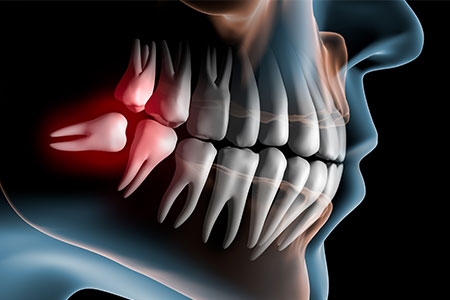
Most of the time, saving a natural tooth is the best plan. But there are moments when tooth extraction is the safest, most predictable way forward—like a tooth fractured below the bone, severe decay that can’t be restored, or a split tooth that can’t be reunited. At Lake Houston Endodontics, we begin with a conservative mindset and clear diagnostics. If saving the tooth isn’t possible, a comfortable, well-planned tooth extraction can protect your overall health and pave the way for a healthy, confident bite.
When Tooth Extraction Becomes the Right Choice
A vertical root fracture, advanced periodontal disease, extreme decay under the gumline, or too little remaining structure to hold a crown can make tooth extraction the most sensible option. Sometimes extraction is recommended to remove a non-restorable wisdom tooth or to prevent an infection from spreading. The decision is based on predictability: if the chance of long-term success is low, it’s better to remove the problem and plan a stable replacement.
How We Confirm the Diagnosis
Before recommending tooth extraction, we complete a careful exam. Digital X-rays and, when helpful, 3D CBCT imaging reveal cracks, hidden infection, or bone loss. Gentle tapping, bite tests, and mobility checks help pinpoint the source of pain. If there’s a chance the tooth can be saved with endodontic retreatment or microsurgery, we’ll explain that path first. Extraction is chosen only when it offers the clearest route to comfort and health.
What You’ll Feel—and Not Feel—During Tooth Extraction
Comfort is central. Local anesthesia fully numbs the area. For anxious patients or more complex cases, sedation options are available. Gentle techniques loosen the tooth within its socket; you’ll feel pressure but not sharp pain. For broken or brittle roots, the tooth may be sectioned into smaller pieces for a clean, controlled tooth extraction. Stitches may be placed to support healing.
Aftercare: The First 48 Hours Matter
Protecting the blood clot is the secret to comfortable healing after tooth extraction. Bite on gauze as directed, avoid smoking or straws, keep your head elevated the first night, and stick with soft foods. Begin warm saltwater rinses after 24 hours, and brush gently around the area. Mild soreness is normal and responds to recommended medication. If swelling increases after day three, call us—communication keeps recovery smooth.
What Comes Next: Smart Replacement Planning
Removing a tooth is step one; replacing it maintains function and appearance. We coordinate with your restorative dentist to plan an implant, bridge, or partial denture as needed. Early planning preserves bone and shortens the overall timeline. Even if you’re not ready to commit to a replacement, discussing options before tooth extraction helps you budget time and cost.
Benefits of Tooth Extraction
Stops infection. Removing a non-restorable tooth prevents further spread to bone or neighboring teeth.
Relieves pain. A failing tooth stresses the whole bite; a thoughtful tooth extraction provides fast relief.
Clears the way for health. Once the source is gone, your body can heal—and a strong replacement can be planned.
FAQs About Tooth Extraction
Will it hurt? Local anesthesia prevents sharp pain; pressure is expected. Sedation is available for added comfort.
How long does healing take? Tissue closes over one to two weeks; bone continues to remodel for several months. We’ll guide you on the best time to consider implant placement or other replacement choices.
Can I work the next day? Many patients return to light duties the following day. Avoid strenuous activity for several days to protect the clot.
What about dry socket? Following instructions—no smoking, no straws, and gentle rinsing—dramatically lowers the risk. If discomfort increases, call promptly; early care helps.
Tooth Extraction vs. Trying to Save a Failing Tooth
We love saving teeth, but not every tooth can be saved predictably. If a crack runs below the bone or splits the root, a crown or retreatment won’t solve the structural problem. In those cases, tooth extraction prevents ongoing infection and repeated procedures. The right call is the one that gives you reliable comfort and function—without constant worry.
Preparing for the Appointment
Wear comfortable clothes, eat as directed, and arrange a ride if you’re choosing sedation. Stock up on soft foods (yogurt, eggs, smoothies) and a reusable ice pack at home. Set out extra pillows to sleep slightly elevated the first night. These small steps make the day of your tooth extraction easier and recovery smoother.
Nutrition, Hygiene, and Activity After Extraction
Hydration is your ally. Sip water throughout the day. Choose soft, cool or room-temperature foods for the first 24–48 hours. Brush the rest of your mouth as usual and gently clean near the site with a soft brush after the first day. Avoid gym workouts, heavy lifting, or vigorous sports for several days so the clot stays stable and healing stays on track.
Replacing the Missing Tooth: Options Explained
Dental implant. A titanium post is placed into the bone and later restored with a crown, creating a natural-looking, single-tooth solution that doesn’t involve neighboring teeth.
Fixed bridge. Crowns on the adjacent teeth support a replacement tooth between them. This is a strong, time-tested option when an implant isn’t preferred or possible.
Partial denture. A removable appliance that replaces one or more missing teeth. It’s a budget-friendly way to restore appearance and chewing while you consider long-term plans.
We’ll coordinate timing with your restorative dentist so the plan fits your goals, budget, and schedule. Early conversations—sometimes even before tooth extraction—lead to smoother results.
When Wisdom Tooth Extraction Is Recommended
Wisdom teeth often erupt at angles that trap bacteria, crowd other teeth, or create repeated infections. If a wisdom tooth is partially impacted, difficult to clean, or causing pain, tooth extraction may prevent future problems. Younger patients typically heal faster, but adults benefit too when symptoms persist or damage begins.
Protecting Neighbor Teeth and Your Bite
A failing tooth can change how you chew. You may shift to the other side, overwork those teeth, and strain jaw joints. By choosing a timely tooth extraction when a tooth is not savable—and then planning a thoughtful replacement—you protect bite balance and avoid uneven wear on the rest of your smile.
Costs and Planning Ahead
Fees depend on the tooth, the number of roots, and whether sedation or stitches are needed. We’ll provide a written estimate before treatment and outline replacement options with projected timelines. Many patients find that addressing the problem now, rather than “waiting and seeing,” reduces emergency visits and unplanned costs. A planned tooth extraction is almost always easier than an urgent one.
How We Help You Heal Well
Clear instructions, a reachable team, and smart timing make all the difference after tooth extraction. We’ll review food choices, hygiene tips, and what to expect day by day. If you clench or take certain medications, we’ll tailor the plan to your needs. Our goal is steady, predictable healing and a clear path to the replacement that fits your life.
Choosing the Right Next Step
It’s never easy to say goodbye to a tooth, but sometimes removal is the most caring choice you can make for your health. With gentle technique and a plan for what comes next, tooth extraction can be straightforward—and the first step toward feeling like yourself again. When a tooth is non-restorable, acting sooner protects comfort, bone, and budget.
Want honest guidance from a specialist who treats complex teeth every day? Call Lake Houston Endodontics at (832) 777-6056 or visit 19100 West Lake Houston Parkway #103, Humble, TX to schedule a consultation about tooth extraction and replacement planning.