Endodontic Retreatment in Humble, TX: Give a Treated Tooth a Second Chance

Has a tooth that was “fixed” years ago started acting up again? Maybe biting feels sharp, a gum pimple comes and goes, or an X-ray showed a new shadow. That’s where endodontic retreatment steps in. This thoughtful, second-look visit re-cleans and re-seals the inside of the tooth so it can stay part of your smile. At Lake Houston Endodontics in Humble, TX, the goal of endodontic retreatment is simple: save a natural tooth comfortably, predictably, and for the long run.

Why Endodontic Retreatment Becomes the Right Move

Teeth live in a busy neighborhood. New decay can sneak in around an old filling. A crown can loosen. Tiny side canals may harbor bacteria that slowly regroup. A cracked cusp, a missed canal, or a delayed final crown can all invite problems to return. When symptoms show up again, endodontic retreatment allows an endodontist to reopen the canals, clean stubborn biofilm, and place a fresh, well-sealed filling material from tip to top. In short, it gives a previously treated tooth another chance to heal predictably.

Think of the root canal system like a set of narrow hallways. The initial treatment cleaned all the rooms we could reach. Over time, a hidden side hall might reveal itself, or a door we thought was shut tight might loosen. Endodontic retreatment lets us go back, clean more thoroughly, and lock everything down again with modern materials and techniques.

What You’ll Notice—and What We Look For

Not all warning signs roar. Some are whispers. Patients considering endodontic retreatment often report lingering sensitivity to hot or cold, biting pain (especially on release), swelling, or a small pimple on the gums that drains on and off. Sometimes there’s no pain at all; a routine X-ray reveals a dark area near the root tip—a hint that bacteria are active again. During your visit, we map the tooth with modern imaging and tests so we can confirm whether endodontic retreatment is the most sensible next step for that tooth.

We’ll also review the history of the tooth. Was the final crown delayed? Has the filling chipped? Have you been grinding your teeth at night? These details matter because they explain how the seal may have been compromised. By fixing the pathway in and then renewing the seal with endodontic retreatment, we stack the deck in favor of long-term success.

Step-by-Step: How Endodontic Retreatment Works

Comfort first. Local anesthesia fully numbs the tooth, and sedation options are available if you’re anxious. A relaxed body helps a tooth heal and lets us work with great precision.

Access and removal. We create a small opening through the existing restoration and remove the old canal filling materials. Magnification and lighting help us see fine details that regular vision can miss, including extra canal branches or calcified areas that need careful attention.

Re-cleaning and shaping. The canals are reshaped with flexible instruments and irrigated with antibacterial solutions to disrupt biofilm. If a canal was missed the first time, it’s located and treated. This thorough phase is the heart of endodontic retreatment, because clean canals heal better and faster.

Seal and protect. The canals are filled with a biocompatible material and sealed from the root tip upward. A temporary filling closes the opening so you can chew comfortably while you plan the final restoration with your general dentist.

Restore for the long haul. Your general dentist places a new, well-sealed restoration—often a crown—because a good coronal seal is critical after endodontic retreatment. Keeping bacteria out is just as important as cleaning them out, and the final restoration plays a huge role.

When Is Endodontic Retreatment Preferred Over Surgery?

Both endodontic retreatment and apical surgery aim to remove infection and seal the root system. Retreatment works from the inside out; surgery works from the root tip in. If we can access canals through the existing restoration and achieve a predictable seal, we often choose endodontic retreatment first because it addresses the full canal network. If a post or complex restoration blocks access—or a tiny lesion persists at the root tip despite thorough care—apical surgery may be the better choice. Sometimes we also combine approaches—retreat first, then consider surgery only if healing stalls.

Comfort, Recovery, and What to Expect Afterward

Most patients feel relief soon after the inflamed tissue is removed and the canals are disinfected. Mild tenderness is common for a day or two and responds well to over-the-counter medication. Chew gently on the opposite side until your dentist places the final crown or filling. With a strong restoration and balanced bite, teeth that receive endodontic retreatment can function comfortably for many years—often decades.

Follow-up matters. We usually recommend periodic X-rays to confirm that the bone around the root is filling in as expected. If you clench your teeth, we may suggest a nightguard to absorb forces while the area settles. These small steps protect the investment you’ve made in endodontic retreatment.

Who Is—and Isn’t—a Good Candidate?

Endodontic retreatment works best when a tooth has enough remaining structure above the gumline, healthy supporting bone, and a crack that does not split the tooth vertically. If decay has destroyed too much structure, if the tooth is fractured below the bone, or if periodontal disease is severe, removing and replacing the tooth may be more predictable. A personalized exam clarifies these details so you can feel confident about your decision.

We’ll also consider your overall health and your goals. If you prefer to keep your natural tooth whenever possible and imaging shows a clear path to success, endodontic retreatment is often the most conservative route to comfort and function.

Benefits of Endodontic Retreatment

Tooth preservation. Keeping your own root helps maintain bone and a natural bite. That stability protects neighboring teeth and jaw joints.

Targeted relief. By removing bacteria and sealing canals, endodontic retreatment goes after the source of pain rather than masking it with temporary fixes.

Cost-wise. When successful, saving a tooth with endodontic retreatment can be more economical than extraction plus replacement, which may require multiple visits and higher overall fees.

Predictable follow-up. Modern imaging and materials help us monitor healing and respond early if anything changes, so you’re never guessing about progress.

Answers to Common Questions

Will the crown have to come off? Sometimes we can work through the existing crown; other times it must be removed to gain ideal access. We decide after reviewing images and testing the restoration’s integrity. If a new crown is needed, your general dentist will plan it with you.

How many visits are needed? Many cases take one visit; complex anatomy or extensive disinfection may require a second appointment. Either way, comfort and a clean seal lead the plan, not the clock.

Is retreatment painful? With modern anesthesia and gentle technique, endodontic retreatment feels similar to getting a filling. You’ll feel pressure and movement, but not sharp pain. Most people return to normal routines the same day.

How long will it last? With a quality restoration and good home care, a tooth treated with endodontic retreatment can last for many years. Regular checkups help confirm healing and catch small issues early.

Smart Habits to Protect the Result

Stability matters after endodontic retreatment. Schedule the final crown promptly so the coronal seal stays strong. Wear a nightguard if you clench, and avoid chewing ice or hard kernels that can stress the tooth. Keep up with regular cleanings. If your bite ever feels “high,” tell us; tiny adjustments protect big outcomes. And if a temporary filling loosens before your final visit, contact your dentist so it can be repaired quickly.

Moving Forward with Confidence

When a once-quiet tooth starts talking again, you don’t have to jump straight to extraction. With careful diagnosis and skilled endodontic retreatment, there’s a very good chance your tooth can keep doing its job without drama. If you’re weighing choices, we’re here to give you clear, honest guidance and a calm path back to comfort. Ready to explore your options and feel better fast? Contact Lake Houston Endodontics at (832) 777-6056 or visit us at 19100 West Lake Houston Parkway #103, Humble, TX to schedule a consultation about endodontic retreatment today.

Endodontic Retreatment and Endodontics Overview

Published: Aug 1, 2025

A tooth that was treated years ago can still surprise you. Biting sensitivity returns. A shadow appears on an X-ray. You wonder, “Didn’t we fix this?” That’s when endodontic retreatment becomes the hero of the sequel, and a quick endodontics overview helps everything make sense. Endodontic retreatment gives a previously treated tooth another chance—often a very successful one—while endodontics as a whole is all about diagnosing and treating problems inside teeth to keep them healthy and comfortable.

When Endodontic Retreatment Makes Sense

Endodontic retreatment is considered when a tooth that already had a root canal becomes painful, sensitive, or shows signs of a new infection on imaging. Why does this happen? Canal anatomy can be complex, with tiny side branches that hide bacteria. A new crack may form. The final crown may have been delayed, or new decay may have let bacteria sneak back in. In each case, endodontic retreatment reopens the canals, cleans them thoroughly, and seals them again to restore health.

The Retreatment Process, Step by Step

Assessment

Digital X-rays and 3D CBCT imaging help identify missed canals, unusual anatomy, or a hidden fracture before endodontic retreatment begins.

Access & Removal

The old filling material is removed to re-enter each canal. Specialized tools and microscopes improve visibility.

Re-Cleaning & Disinfection

The canals are reshaped and irrigated to disrupt bacterial biofilm—one of the keys to successful endodontic retreatment.

Reseal & Repair

Biocompatible materials reseal the canals. If there’s an internal repair needed, modern calcium-silicate cements can patch small defects.

New Restoration

A fresh, well-sealed crown or filling protects the work. A good coronal seal is critical after endodontic retreatment.

Most retreatment cases are completed in one or two visits. A soothing local anesthetic keeps you comfortable, and sedation can be added if anxiety is part of the picture.

Endodontics Overview: The Big Picture

Think of endodontics as “tooth-saving medicine.” It includes standard root canals, endodontic retreatment, apical surgery (a microsurgical approach to the root tip), treatment of cracked teeth, and urgent care for traumatic injuries. The common thread is simple: remove infection and irritation inside the tooth while preserving as much natural structure as possible. With modern imaging, ultrasonic instruments, and bioceramic sealers, endodontics delivers precise, predictable care.

Who Is a Good Candidate?

Endodontic retreatment works best when the tooth has adequate remaining structure above the gumline and healthy supporting bone. If a tooth is split vertically or has severe periodontal disease, retreatment may not be predictable. Your endodontist will test the bite, tap gently on the tooth, check for mobility, and study 3D images to decide whether endodontic retreatment or another option offers the best long-term result.

Retreatment vs. Apical Surgery

Sometimes, after thorough cleaning, a small area at the root tip still harbors infection due to complex anatomy. In those cases, microsurgery at the root tip (apicoectomy) can remove the stubborn focus and seal the end of the root from the outside. The choice between endodontic retreatment and surgery depends on access inside the tooth, the quality of the existing crown, and the location of the problem. Often, endodontic retreatment is tried first because it addresses the internal pathways where bacteria thrive.

Recovery and What You’ll Feel

After endodontic retreatment, your tooth is sealed from the inside, but it still needs protection above the gumline. Plan a timely appointment with your general dentist for the definitive crown or filling—this “coronal seal” keeps bacteria out. Skipping or delaying this step is a common reason problems return.

Costs and Insurance Basics

Fees vary by tooth type and complexity, but endodontic retreatment often compares favorably with the total cost of extracting and replacing a tooth. Many dental plans help with a portion of the procedure and the final crown. If budgeting is on your mind, ask for a written treatment sequence. Seeing each step makes the investment in endodontic retreatment easier to plan.

Recovery and What You’ll Feel

After endodontic retreatment, temporary tenderness is common for a day or two. Avoid chewing hard foods on that side and take recommended medication as directed. Most patients return to normal routines quickly. If your bite feels “high,” call for an adjustment—balancing the bite helps the area settle down and protects your progress.

Prevention: Keep a Successful Result Successful

After endodontic retreatment, protection matters. A well-fitting crown, careful brushing and flossing, and regular checkups help maintain the seal and prevent reinfection. If you grind or clench, a nightguard can reduce stress on the tooth. At home, listen to your bite: if something feels off, a small correction can protect the work you just invested in. Good hygiene and a dry field during any new fillings are also key to the long-term success of endodontic retreatment.

FAQs About Endodontic Retreatment

Will the crown need to come off?

Sometimes the crown can be preserved; other times it must be removed to access the canals for endodontic retreatment. Your X-rays guide that decision.

Is endodontic retreatment painful?

With modern anesthetics, you should be comfortable during the visit. Mild soreness after is typical and short-lived.

How successful is it?

Success is high when the cause is persistent bacteria, there’s enough tooth to restore, and the new restoration seals well.

What if retreatment isn’t possible?

Apical surgery or, if necessary, extraction and replacement are discussed. The goal is predictable comfort and function.

Benefits (Based on Professional Guidance)

High Success with Proper Indications

Specialty guidelines support strong outcomes for endodontic retreatment when persistent infection or new decay is the cause and the tooth has adequate structure for restoration.

Conservative Care

Preserving a natural tooth often supports better chewing efficiency and maintains bone—points highlighted across endodontic and restorative literature.

Modern Materials & Imaging

Microscopes, CBCT, and bioceramics have improved detection and sealing—key elements linked to long-term success in endodontic retreatment.

Cost-Effective Over Time

When feasible, endodontic retreatment can be more economical than extraction and replacement, a theme echoed in comparative care discussions.

A Clear Path Forward

If a previously treated tooth is acting up, endodontic retreatment can be the calm, methodical solution that preserves your smile. With thoughtful diagnosis and precise techniques, you can get back to comfortable chewing without starting from scratch. Your natural tooth, protected by a fresh restoration, can serve you well for years.

Ready for answers and relief? Contact Lake Houston Endodontics in Humble, TX at (832) 777-6056 to schedule a consultation about endodontic retreatment today.

Dental Anxiety – Oral, Inhalation, and IV Sedation Options on Humble, TX

White-knuckle grip on the chair? Racing thoughts before an appointment? You’re not alone. Dental anxiety is common, and it can keep people from getting the care they need. The good news: modern sedation gives you choices. With oral medication, inhalation with nitrous oxide, and IV sedation, dental anxiety can be managed in a way that fits your comfort and your treatment plan.

Understanding Dental Anxiety

Dental anxiety shows up in different ways—trouble sleeping the night before, a knot in the stomach on the drive over, or a strong gag reflex in the chair. Triggers vary, but the results are similar: people delay care, pain lingers, and problems grow. Acknowledging dental anxiety is the first step. The second is choosing a safe, tailored approach to help you relax so you can receive care without stress.

Option 1: Oral Sedation

Oral sedation uses a prescribed pill taken before your visit. It reduces dental anxiety and helps you feel calm while staying responsive. For mild to moderate dental anxiety, this option works well for many treatments. You’ll need a companion to drive you, and you’ll want a quiet day afterward. Your dental team reviews your medical history and medications to select the right dose and ensure safety.

Option 2: Inhalation Sedation (Nitrous Oxide)

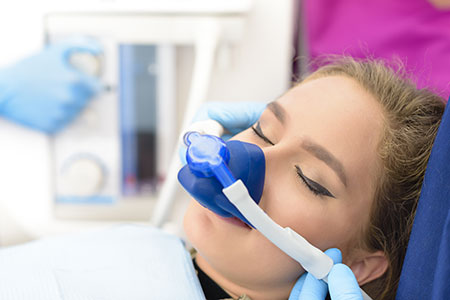
Nitrous oxide—sometimes called “laughing gas”—is a breathable mix delivered through a small mask. It eases dental anxiety within minutes and wears off quickly once the mask is removed. You stay awake, can respond to questions, and many people describe a light, floaty feeling. Because recovery is fast, you can often drive yourself home. Nitrous is a versatile option for quick visits, kids, and adults who want a gentle layer of relaxation.

Option 3: IV Sedation

For significant dental anxiety or longer procedures, IV sedation offers deeper relaxation with medication delivered through a small vein. You remain responsive but may remember little of the visit. IV sedation allows the clinician to adjust the level of sedation moment to moment, which is helpful for complex treatment or strong gag reflexes. A responsible adult must accompany you and stay with you as the medication wears off.

Safety and Monitoring

All forms of sedation are paired with careful monitoring of breathing, heart rate, and oxygen levels. Your medical history, allergies, and current medications are reviewed beforehand. Fasting guidelines, if needed, are explained clearly. The goal is steady, predictable comfort throughout your visit while maintaining protective reflexes and safe oxygen levels.

Who Qualifies—and Who Shouldn’t Use Sedation

Most healthy adults with dental anxiety qualify for at least one option. People with certain health conditions, untreated sleep apnea, or pregnancy may need modified plans. Your team follows established guidelines for dosage, monitoring, and emergency readiness. If you’re unsure, ask. A short consultation can determine the right approach for your body and your level of dental anxiety.

Preparing for a Calmer Visit

Clear instructions make a big difference. Wear comfortable clothes. Avoid heavy meals if fasting is recommended. Arrange a ride for oral or IV sedation. Plan a light day afterward. Write down your concerns and goals—when dental anxiety is named, it’s easier to manage. Noise-canceling headphones, a cozy blanket, and an explain-as-we-go pace also help many patients feel settled.

Comparing the Options at a Glance

Oral Sedation

Simple, effective for moderate dental anxiety; requires an escort; amnesia is possible.

Nitrous Oxide

Fast on, fast off; great for short visits; you can usually drive yourself afterward.

IV Sedation

Adjustable depth, ideal for strong dental anxiety or long procedures; requires an escort and recovery time.

Side Effects and Aftercare

Some people feel drowsy, light-headed, or chilled after sedation; others simply feel relaxed. Hydrate, rest, and avoid important decisions for the day if you took oral or IV medication. Call the office if nausea or prolonged dizziness occurs. Most patients feel normal by the next morning and are surprised to realize how easy the appointment felt—dental anxiety often fades once a positive experience replaces an old memory.

Sedation for Root Canals and Endodontic Care

Sedation isn’t just for surgery. For root canals, cracked-tooth treatment, or retreatment, sedation can turn a stressful appointment into a straightforward one. Numbing still happens as usual; sedation simply helps quiet dental anxiety so numbing can work without a rush of adrenaline. Because endodontic visits sometimes involve small, precise steps, being still and relaxed supports both comfort and efficiency.

Behavioral Tools That Help, Too

Sedation works best alongside simple strategies. A pre-agreed hand signal gives you control. Short “breathing breaks” reset your nervous system. Music masks clinical sounds that trigger dental anxiety. For some, a quick text to a loved one before the appointment lowers the heart rate more than any pill. Small choices add up to a sense of control.

Insurance and Costs

Coverage varies, but nitrous oxide is often affordable, and oral or IV sedation may be covered when dental anxiety is documented or when longer procedures are planned. You’ll receive a written estimate before your visit so there are no surprises. The real value is getting needed care done—comfortably and safely—so problems don’t escalate.

Benefits (In Line with Professional Guidance)

Reduced Stress Response

Clinical guidance supports that sedation lowers anxiety and helps control blood pressure and heart rate during care.

Improved Tolerance for Treatment

Evidence shows sedation can improve cooperation, decrease gag reflex, and allow longer procedures to be completed efficiently.

High Patient Satisfaction

Professional surveys consistently report that patients with dental anxiety rate their experience as more positive when appropriate sedation is used with proper monitoring.

A Calmer Way to Care

Dental anxiety doesn’t have to stand between you and a healthy smile. With oral sedation, inhalation sedation, and IV sedation, you can choose the level of support that makes care feel comfortable and doable—today and for the future. The first step is a conversation about what worries you and what relief looks like for you.

Want a calmer visit that actually feels manageable? Call Lake Houston Endodontics at (832) 777-6056 in Humble, TX to book an appointment and talk through safe sedation options for your needs.

Dental Abscess 101: Safe, Effective Relief And Next Steps

What Is a Dental Abscess?

A dental abscess is a pocket of infection that forms when bacteria invade the pulp—the soft tissue inside a tooth—or the surrounding gum and bone. Although the word “abscess” can sound alarming, it simply means pus has accumulated due to infection. While small abscesses may drain on their own, they rarely resolve fully without professional treatment. Therefore, timely care matters. For patients in Humble, Atascocita, and the greater Lake Houston area, understanding your options can help you act quickly and confidently.

Common Causes You Should Know

Several pathways can lead to an abscess. First, deep tooth decay is the most frequent culprit. As a cavity expands, it breaches enamel and dentin, ultimately reaching the pulp. Second, cracks or fractures allow bacteria to slip inside a tooth, sparking inflammation and infection. Third, failed or leaking restorations—like an old filling or crown—can let bacteria re-enter. Lastly, traumatic injuries may bruise or sever the nerve and blood supply, leaving the tooth vulnerable to infection later on. Because multiple causes can mimic one another, an endodontic exam is the surest way to pinpoint the source.

Signs and Symptoms to Watch For

  • Persistent, throbbing toothache that may radiate to the jaw or ear
  • Sensitivity to hot or cold that lingers after the stimulus is gone
  • Pain when chewing or tapping the tooth
  • Swelling of the face or gum tissue
  • A pimple-like bump on the gum that may drain fluid
  • Bad taste or odor in the mouth
  • Fever or general malaise in advanced cases

Because pain can ebb and flow as the abscess drains or pressurizes, a temporary improvement doesn’t necessarily mean the infection has healed. In fact, an abscess can be dangerous if ignored, so it’s best to schedule an appointment promptly.

Why Antibiotics Alone Aren’t the Answer

Antibiotics can help manage the spread of infection and reduce swelling, especially if fever or facial swelling is present. However, medication alone rarely solves the underlying problem. Without removing the infected tissue and sealing the tooth, bacteria can return as soon as the antibiotic course ends. That’s why definitive treatment—usually root canal therapy, occasionally endodontic surgery (apicoectomy), or in some cases extraction—is the key to long-term relief.

How Endodontists Diagnose an Abscess Precisely

At Lake Houston Endodontics, we combine a thorough clinical exam with focused tests and advanced imaging. Percussion and palpation help locate tenderness. Cold testing reveals nerve response. Bite tests can uncover cracks. Radiographs and, when indicated, 3D CBCT imaging show the extent of infection and whether bone has been affected. This precise mapping ensures the recommended treatment addresses the real cause, not just the symptoms.

Root Canal Therapy: The Gold Standard for Tooth-Saving Care

When the tooth is restorable, root canal therapy offers a predictable, tooth-preserving solution. After numbing the area completely, we create a small opening in the tooth to access the canals. We gently clean and shape the canal spaces, removing infected tissue and bacteria. Then, we seal the canals three-dimensionally with biocompatible materials to block re-infection. Most patients feel rapid relief as inflammation subsides, and they return to their dentist for a crown to strengthen the tooth.

When Apicoectomy or Retreatment Is Appropriate

If a tooth with a prior root canal becomes re-infected, endodontic retreatment can remove the old filling materials, disinfect the canals again, and place a new seal. If complex anatomy or a persistent lesion remains at the root tip, an apicoectomy may be the most direct way to remove infected tissue and place a micro-seal in the end of the root. These microsurgical approaches are designed to preserve a valuable natural tooth and restore comfort.

Extraction and Replacement: A Valid Option in Select Cases

Sometimes a tooth is too damaged to save. For instance, a vertical root fracture or extensive decay below the gumline may make extraction the healthiest choice. If so, we coordinate closely with your dentist or an oral surgeon to plan a thoughtful replacement, such as a dental implant or bridge. The goal is always the same: a pain-free, functional, and attractive smile.

At-Home Care Until Your Visit

Before you’re seen, rinse gently with warm salt water to soothe gum tissue, take over-the-counter pain relievers as directed, and use a cold compress for swelling. Avoid heat on the face, which can worsen inflammation. Do not place aspirin directly on the gum—it can burn tissue and won’t treat the infection.

What Recovery Looks Like

After treatment, tenderness typically improves over 24–48 hours as inflammation recedes. We’ll provide specific instructions on oral hygiene, diet, and activity. While antibiotics may be prescribed when indicated, the real turning point is the definitive procedure that removes the source of infection. Most patients return to regular routines quickly and report significant relief.

Prevention Tips to Lower Future Risk

  • Keep six-month checkups with your general dentist
  • Address cavities while they’re small
  • Wear a night guard if you clench or grind
  • Avoid chewing ice, pens, or hard objects
  • Use a sports mouthguard for contact activities
  • Maintain daily brushing and flossing to limit bacterial load

Your Next Step: Comfortable, Clear Care in Humble

An abscess is your body’s signal that something needs attention. With specialty diagnosis and modern treatment, you can stop the pain, protect your health, and keep your smile. We’ll outline your options and help you choose the plan that fits your timeline and goals.

Suspect a dental abscess? Contact Lake Houston Endodontics in Humble, TX at (832) 777-6056 to Call Us Today for prompt relief and a personalized treatment plan.

Breaking Myths About Root Canals

If you’ve ever heard a wild tale about root canals, you’re not alone. The stories spread fast: “They’re unbearable.” “They make teeth brittle.” “Extraction is easier.” Here’s the truth: modern care doesn’t match the rumors. Let’s clear the fog by breaking myths about root canals so you can make decisions with confidence and calm.

Myth \#1: Root Canals Are Painful

Decades ago, anesthesia and instruments weren’t what they are now. Today, breaking myths about root canals starts with this: local anesthetics numb the tooth fully, and dentists use techniques designed for comfort. Most patients report the procedure feels similar to getting a filling. In fact, root canals relieve pain because they remove inflamed nerve tissue. If anxiety adds to discomfort, sedation options—oral medication, inhalation with nitrous oxide, or IV sedation—can make the experience even smoother.

Myth \#2: Extraction Is Always Better

Another big claim suggests removing the tooth is the easy way out. When we’re breaking myths about root canals, we have to compare the full picture. Extraction means you’ll need an implant, bridge, or denture to restore your bite. Each option has a longer timeline and a larger investment. If a tooth can be saved predictably, root canal treatment is conservative and maintains your natural root, which often feels most natural when you chew.

Myth \#3: Root Canals Make Teeth Weak

It’s not the root canal that weakens a tooth; it’s the original decay, crack, or trauma that took away healthy structure. Part of breaking myths about root canals is explaining restoration. After treatment, your general dentist usually places a crown to protect the tooth against biting forces. With a quality restoration and good home care, treated teeth function for many years—often decades.

Myth \#4: Healing Takes a Long Time

Most people return to work or school the same day or the next. Tenderness for a day or two is common, but it’s usually mild and manageable with over-the-counter medication. Breaking myths about root canals means setting realistic expectations: you’ll need to avoid chewing hard foods on that side until the permanent restoration is placed, but everyday routines come back quickly.

Myth \#5: Root Canals Fail Often

No procedure is 100%, yet modern success rates are high, especially when the tooth is promptly crowned and the bite is balanced. If a problem does arise, retreatment or microsurgery can address lingering infection or complex anatomy. Breaking myths about root canals includes acknowledging that endodontic specialists use microscopes, 3D imaging, and bioceramic sealers that enhance accuracy and sealing—core factors in long-term success.

Myth \#6: The Infection Will “Burn Out” on Its Own

Dental infections don’t heal themselves once bacteria reach the pulp space. Pain might ebb and flow, but the source remains. Breaking myths about root canals means stating it clearly: targeted cleaning and sealing of the canals remove the bacterial home. Waiting risks abscesses, bone loss, and spread of infection, which can complicate treatment later.

What Actually Happens During Treatment

Assessment

Digital X-rays or CBCT scans guide the plan.

Comfort First

A gentle local anesthetic ensures a numb tooth.

Cleaning & Shaping

Tiny instruments remove inflamed pulp and shape canals.

Disinfection & Seal

The space is disinfected, then sealed with a biocompatible material.

Restoration

A temporary filling is placed, and your general dentist protects the tooth with a permanent crown.

Breaking myths about root canals also means talking costs: saving a tooth often compares favorably to replacement. And because you keep your natural root, your bite and chewing mechanics feel familiar.

When Root Canals Aren’t the Answer

There are limits. Deep vertical fractures, severe bone loss, or insufficient tooth structure may point toward extraction and replacement. That’s why a clear diagnosis is essential. A specialist will explain options, risks, and benefits so you can choose confidently.

FAQs to Set the Record Straight

Will I feel anything?

You’ll feel pressure and movement, but not sharp pain. If you’re anxious, sedation is available.

How long does it take?

Many cases take about an hour; multi-rooted molars can take longer because they have more canals.

Will my face swell?

Swelling is uncommon after routine care; if an abscess is present, your team will discuss antibiotics and home care.

Do I need a crown afterward?

Back teeth usually do. Front teeth may be restored with a strong filling or crown depending on how much structure remains.

Myth \#7: Antibiotics Alone Can Fix It

Antibiotics can calm a spreading infection, but they can’t reach bacteria sealed inside the root canals. They’re a helpful support when swelling is present, yet the definitive step is cleaning and sealing the canals. Breaking myths about root canals means being honest: pills help the body cope, but procedure solves the problem.

Myth \#8: Root Canals Cause Illness

This persistent rumor comes from century-old theories that have long been disproven. Modern standards, sterile technique, and biocompatible materials have changed everything. Professional organizations agree: there’s no scientific evidence that properly performed root canal treatment causes systemic disease. Breaking myths about root canals includes retiring this outdated claim.

Technology That Changes the Experience

Microscopes, cone-beam imaging, and flexible nickel-titanium files help clinicians find hidden anatomy and clean more thoroughly. Irrigation systems and bioceramic sealers improve the seal. Translation: fewer surprises, more comfort, and strong long-term results.

Benefits (Supported by Professional Guidance)

Pain Relief and Infection Control

Clinical guidance explains that removing infected pulp and sealing canals stops the source of pain and prevents spread.

High Survival When Restored Properly

Specialty position statements note strong long-term outcomes when teeth are promptly restored and maintained.

Efficient Recovery

Evidence-based recommendations indicate most patients resume normal routines within a day or two after treatment.

Function First

Preserving a natural root helps maintain jawbone and bite forces—advantages often highlighted in restorative and endodontic literature.

Your Takeaway, Minus the Myths

Root canal care today is calm, precise, and aimed at saving your tooth. If you’ve been hesitating because of old rumors, consider this your nudge toward clarity. Breaking myths about root canals doesn’t just fix misinformation—it helps you preserve your natural smile with confidence. Real comfort, reliable healing, and everyday function are all on the table.

Have questions or ready to feel better? Contact Lake Houston Endodontics at (832) 777-6056 in Humble, TX to schedule a consultation and talk through your options.

Beyond the Pain: What Happens if You Avoid a Root Canal?

It’s tempting to wait and hope. The ache fades for a week, then returns when you sip coffee or chew something cold. But what happens if you avoid a root canal isn’t a mystery—it’s a timeline. Infection spreads through tiny channels you can’t see, and the longer it lingers, the more complex the fix becomes.

The Short Version: Infection Doesn’t Clock Out

Inside a tooth, bacteria in an inflamed pulp multiply. Pressure builds at the root tip. That’s what happens if you avoid a root canal: the problem quietly grows. Pain may pulse, then pause, which tricks people into waiting. Meanwhile, the infection can create a pocket of pus (an abscess) and irritate the bone.

The Timeline No One Wants

Days to weeks: Sensitivity lingers after hot or cold. Chewing brings a sharp twinge.

Weeks to months: A gum pimple appears and drains on and off. Biting pressure worsens.

Months+: Facial swelling, difficulty sleeping, or pain that spreads to the ear or jaw.

This progression is the lived version of what happens if you avoid a root canal—symptoms escalate and options narrow.

Local Trouble Becomes a Bigger Deal

Left alone, an abscess can erode nearby bone and sometimes affect neighboring teeth. That’s a key part of what happens if you avoid a root canal: the infection doesn’t respect boundaries. In rare cases, bacteria can spread beyond the mouth, which is why urgent care is recommended if you notice swelling, fever, or trouble swallowing.

The Bite and Bone Take a Hit

Missing or failing teeth change chewing patterns. You shift to the other side, overwork those teeth, and strain your jaw joints. Over time, bone in the problem area can thin. What happens if you avoid a root canal often ends with extraction—and then you’ll need an implant, bridge, or partial denture to restore function.

Cost and Time: The Hidden Math

Here’s another angle on what happens if you avoid a root canal: the tab usually goes up. Early root canal treatment plus a crown is often simpler than extraction plus replacement. Add time off work, multiple visits, and the comfort tax of living with pain, and waiting rarely “saves” much.

How Timely Treatment Changes Everything

A root canal removes infected pulp, disinfects the canal space, and seals it. That flips what happens if you avoid a root canal on its head: pain calms, infection stops spreading, and your natural tooth stays put. With a strong crown and a balanced bite, most people return to normal routines quickly.

When Antibiotics Are—and Aren’t—Enough

Antibiotics can help with swelling, but they can’t reach bacteria sealed inside root canals. So, what happens if you avoid a root canal and take antibiotics alone? The symptoms may chill for a bit, then return. The definitive fix is cleaning and sealing the canals.

Signs You Shouldn’t Wait On

If you’re wondering what happens if you avoid a root canal, watch for these alerts:

• Pain that wakes you up or starts on its own

• Sensitivity that lingers after hot or cold

• A gum pimple near one tooth

• Darkening of a tooth after an injury

• Swelling in the gum or face

Benefits (Supported by Professional Guidance)

Source Control

Endodontic guidance emphasizes that removing infected pulp stops the driver of pain and prevents spread.

Tooth Preservation

Professional statements highlight high survival when a crown promptly follows treatment.

Quality of Life

Patients report better chewing, sleep, and daily comfort after definitive care—advantages echoed across endodontic literature.

The Better Story for Your Smile

You get one set of adult teeth. Instead of living the plot of what happens if you avoid a root canal, choose the version where relief comes fast and your tooth stays part of your bite. Calm diagnosis, precise treatment, and a protective crown set you up for the long run.

Want the easy route instead of the hard way? Call Lake Houston Endodontics at (832) 777-6056 in Humble, TX to book an appointment and avoid the cascade that follows an untreated tooth.

Apicoectomy Explained: When Endodontic Surgery Is The Answer

Still Sore After a Root Canal—Now What?

Occasionally, a tooth that’s had a root canal can remain tender or develop a persistent bubble on the gum. When retreatment alone can’t fully resolve the issue, an apicoectomy—a type of endodontic microsurgery—can help you keep your natural tooth by addressing the problem at its source.

What Is an Apicoectomy?

Think of an apicoectomy as a targeted tune-up beneath the gum. Instead of opening the tooth from the top, your endodontist gently lifts the gum near the root tip, removes inflamed tissue, and seals the very end of the root with a precision filling. This micro-level repair tackles hidden branches, tiny fractures, or residual bacteria that conventional treatment can miss.

Why Would I Need One?

  • Persistent or recurrent infection around the root tip
  • Complex canal anatomy that blocks instrument access from inside the tooth
  • Tiny cracks or irregularities only visible under magnification
  • Protecting a high-value tooth that anchors your bite

What Apicoectomy Feels Like

You’ll be numb for the procedure. Most patients are surprised at how comfortable it is during and after. Mild swelling or tenderness for a day or two is normal and manageable with home care instructions and over-the-counter pain relief unless otherwise directed. Because the surgery is precise and minimally invasive, recovery is usually smooth.

How We Plan Your Care

Modern imaging guides every step. 3D CBCT scans show the root tip and surrounding structures in remarkable detail. Under an operating microscope, your endodontist works with microsurgical instruments to minimize tissue disruption and to place an airtight seal at the root end—a key step in long-term success.

Alternatives to Apicoectomy

If the canal can be re-cleaned and sealed from the top, retreatment might be tried first. If the tooth has a vertical root fracture or too little healthy structure left, extraction may be the better route. The benefit of a specialty evaluation is clarity: we outline success rates, timelines, and costs for each option so you can make a confident choice.

Benefits You Can Expect

  • Pain relief as inflammation resolves
  • Preservation of your natural tooth and bite stability
  • Avoidance of complex replacements when saving the tooth is realistic

Aftercare and Healing

Plan to take it easy for the rest of the day. Use cold compresses as directed and keep the area clean with gentle rinsing. We’ll review foods to prefer while healing and let you know exactly when to return for follow-up. Stitches are typically removed in about a week, and most patients resume normal routines quickly.

Local Perspective: Humble, Atascocita & Kingwood

Patients come to our Humble practice from across the Lake Houston area for second opinions when a tooth still “doesn’t feel right.” Because we focus exclusively on endodontics, we can often offer a tooth-saving plan that fits your comfort level and schedule.

Have lingering soreness after prior treatment? Call Lake Houston Endodontics at (832) 777-6056 in Humble, TX to Schedule a Consultation and see whether apicoectomy is your best next step.

Treatment of Cracked Teeth in Humble, TX: Find the Crack, Stabilize the Bite, Save the Tooth

Bite on something firm and feel a quick zing as you release? Sip iced tea and one area lights up? Those clues often point to a crack. The good news: treatment of cracked teeth is a well-mapped process. Pinpoint the crack, stabilize the tooth, and—if the nerve is involved—clean and seal the canals before reinforcing the tooth with a crown. Done the right way and at the right time, cracked teeth can return to steady, predictable function.

Why Teeth Crack

Teeth handle thousands of bite cycles a day. Over years, stress concentrates at sharp angles: large silver fillings, steep cusps, or thin enamel left by wear. Night grinding, chewing ice, surprise pits in olives, and temperature swings add more load. Even a healthy tooth can develop a hairline under heavy force. Understanding your risk factors helps guide the treatment of cracked teeth and protect the result afterward.

Types of Cracks—and What They Mean

Craze lines. Tiny, superficial lines in enamel—usually cosmetic only.

Fractured cusp. A corner near a filling breaks; often solved with an onlay or crown.

Cracked tooth. A line runs from the chewing surface toward the root. Classic sign: pain on release when chewing.

Split tooth. The crack reaches through both halves—often not savable as a single unit.

Vertical root fracture. A crack that starts in the root and travels outward; often discovered during retreatment and may require removal of the affected root or the tooth.

How We Find the Culprit

Locating a crack is detective work. We use magnification, bright transillumination, bite tests on individual cusps, and targeted X-rays. If pain seems to “jump” between teeth, that’s normal—cracks can refer pain. A 3D CBCT scan can reveal bone changes along a root that point to a deeper split. The more precisely we map the line, the better the treatment of cracked teeth can be tailored.

Stabilizing the Tooth: The First Win

When the pulp tests healthy and the crack is limited, priority one is bracing the tooth. A bonded onlay or full-coverage crown redistributes biting forces so the crack can’t flex. If a cusp is mobile, we may place a temporary splinting restoration to test symptoms before the final crown. Many patients feel immediate relief from biting pain once the tooth is stabilized.

When the Pulp Is Involved

If cold lingers, spontaneous aching occurs, or imaging suggests the nerve is inflamed or infected, a root canal is recommended before the crown. Root canal therapy removes the inflamed tissue, disinfects the canals, and seals them to prevent reinfection. After that, the crown completes the treatment of cracked teeth by protecting the structure under chewing forces. Timing matters: the sooner we stabilize after cleaning, the better the outlook.

Prognosis Factors You Should Know

Several features influence success. The deeper the crack extends under the gum, the more guarded the prognosis. Cracks that cross the chewing surface but don’t reach the root fare well with a crown. Lines that dive vertically along the root are less predictable. Bite force, grinding habits, and how quickly the tooth is stabilized also matter. Honest diagnosis sets realistic expectations and avoids repeated surprises.

Benefits of Timely Treatment of Cracked Teeth

Pain relief. Stabilization stops flexing pain; root canal therapy calms nerve inflammation when present.

Tooth preservation. Crowns and onlays protect remaining structure and keep your natural root in place.

Balanced bite. Correcting high spots and reinforcing weak cusps distributes chewing forces evenly.

Fewer emergencies. Early care reduces the risk of sudden fractures that demand urgent visits.

Life After the Crown

Most people are pleasantly surprised: once the tooth is crowned, chewing feels steady again. Mild sensitivity to cold can linger briefly as tissues settle. If your bite feels high on the new crown, a tiny adjustment solves it. Nightguard use for grinders makes a major difference in the long run, protecting both the restored tooth and its neighbors.

Frequently Asked Questions

Can a cracked tooth heal? Enamel doesn’t knit back together. But the treatment of cracked teeth braces the tooth so the line doesn’t flex, which relieves symptoms and prevents propagation.

Do all cracks need a root canal? No. If the pulp is healthy and tests normal, a crown alone may be enough. If the pulp is inflamed or infected, a root canal is the best path to lasting relief.

What if the crack is too deep? If the tooth is split or the crack extends far below the bone, removal may be most predictable. We’ll review honest options so you can choose confidently.

Habits That Help You Keep the Win

Wear a nightguard if you clench or grind. Skip ice and unpopped kernels. Replace worn fillings before thin edges chip under pressure. Keep regular cleanings and exams so bite changes are caught early. Small habits add up to big gains for the treatment of cracked teeth.

Back to Solid, Predictable Chewing

Pain on release, zings with cold, and mystery aches don’t have to run the show. With careful diagnosis and thoughtful treatment of cracked teeth, you can get back to steady, comfortable chewing—without constant worry about the next twinge. A stabilized tooth, a balanced bite, and the right restoration make all the difference.

Ready for relief that lasts? Contact Lake Houston Endodontics, 19100 West Lake Houston Parkway #103, Humble, TX 77346, to Book an Appointment or call (832) 777-6056 today.

Treating Cracked Teeth: From Mystery Pain to Solid Bites

That sharp zing when you release your bite? The sip of iced tea that lights up one corner of your mouth? Those are classic clues—and treating cracked teeth is how you turn mystery pain into predictable comfort.

Why Teeth Crack in the First Place

Life is hard on enamel. Night grinding, large old fillings, chewing ice, or a surprise olive pit can all create small lines that deepen over time. Age, heavy chewing forces, and temperature swings add stress. Understanding these causes is step one in treating cracked teeth, because protecting against repeat stress helps your fix last.

Not All Cracks Are the Same

Before treating cracked teeth, your specialist will figure out which type you have:

Craze lines: Tiny, painless lines in enamel—mostly cosmetic.

Fractured cusp: A corner shears off near a filling; usually relieved with a crown.

Cracked tooth (incomplete fracture): Pain on release when you chew; the crack runs toward the root.

Split tooth: The crack has reached through the tooth—often not savable as one piece.

Vertical root fracture: A crack starting at the root; often discovered during retreatment.

Each type changes the plan for treating cracked teeth, from smoothing and bonding to root canal therapy with a crown—or, in severe cases, extraction.

How We Find the Culprit

Diagnosis is half the win in treating cracked teeth. Bite tests, magnification, transillumination (a bright light through the tooth), and focused X-rays help localize the crack. Cone-beam 3D imaging can reveal bone changes that point to a deeper split. If your pain is “here… no there… maybe that one,” you’re not imagining it—cracks can cause referred pain that jumps around.

The Treatment Playbook

When the pulp is healthy and the crack is shallow, treating cracked teeth may involve a strong bonded restoration or a crown to brace the tooth. If bacteria have reached the pulp, root canal therapy removes inflamed tissue, disinfects the canal space, and seals it. After that, a full-coverage crown redistributes biting forces so the crack can’t flex. Timing matters: the sooner the tooth is stabilized, the better the outlook.

What You’ll Feel After Treatment

Expect quick relief from biting pain once the tooth is stabilized. If a root canal is needed, post-op tenderness is usually mild and short-lived. Chew gently on the other side until the permanent crown is placed. Successful treating cracked teeth ends with a tooth that feels steady and predictable under normal chewing.

How to Prevent a Replay

A nightguard for clenching, avoiding ice and hard kernels, and replacing worn fillings before edges chip—these small habits support treating cracked teeth long term. If you have a heavy bite or play contact sports, custom protection (occlusal guard or mouthguard) pays dividends.

Benefits (In Step with Professional Guidance)

Stabilization Stops Symptoms: Endodontic guidance shows that early stabilization and, when indicated, root canal therapy plus a crown can resolve biting pain from cracks.

Tooth Preservation: Professional literature emphasizes preserving natural structure whenever predictable—core to treating cracked teeth.

Better Prognosis with Early Care: The shorter the time between symptoms and stabilization, the higher the success rate noted across clinical reports.

Your Next Best Step

If biting pain or temperature zings keep showing up, treating cracked teeth is the path back to steady chewing. Diagnosis clarifies the crack type, stabilization protects the structure, and a crown—when needed—finishes the job.

Ready for reliable relief? Call Lake Houston Endodontics at (832) 777-6056 in Humble, TX to book an appointment and talk through treating cracked teeth that won’t quit.

Traumatic Dental Injury in Humble, TX: What to Do, What to Expect, and How to Heal

In a single moment—on the field, at the pool, even in your kitchen—teeth can take a hit. A chipped corner, a loose tooth, or a tooth knocked out entirely can feel overwhelming. The good news is that traumatic dental injury care is organized, stepwise, and time-sensitive. With the right first steps and a clear plan, most injured teeth recover well and keep doing their job for years.

First Things First: Calm, Clean, and Call

For any traumatic dental injury, start with the basics. Control bleeding with gentle pressure. Rinse the mouth with clean water—don’t scrub. Apply a cold compress to limit swelling. If a permanent tooth is knocked out, pick it up by the crown (top), gently rinse with milk or saline if dirty, and reinsert it in the socket if possible, holding it in place with light pressure. If you can’t reinsert, place it in milk or saline—never dry storage—and seek care immediately. Time matters: the first hour has the best odds for long-term success.

Common Types of Traumatic Dental Injury

Chipped enamel. Often painless and quick to smooth or restore. Still, it’s smart to check for hidden cracks.

Fractured cusp or crown. A larger break can expose dentin or pulp, leading to temperature sensitivity or biting pain.

Luxation injuries. The tooth is pushed sideways, moved out, or pushed in (intruded). These injuries can traumatize the ligament and pulp.

Avulsion. The entire permanent tooth is dislodged—this is a true emergency.

Root fracture. A split within the root that may not show until a 3D scan is taken.

What the Specialist Will Do

Diagnosis directs everything in traumatic dental injury care. Expect focused imaging (digital X-rays or CBCT), vitality testing to gauge nerve status, and a careful bite exam to see where forces land. Displaced teeth are gently repositioned and stabilized with a flexible splint for one to two weeks (longer for certain injuries). If the pulp becomes necrotic—more common in mature teeth after luxation or avulsion—a root canal may be recommended to remove infection and protect the root from resorption.

Why Follow-Up Is Non-Negotiable

Teeth can act fine at first and change later. That’s why traumatic dental injury care includes scheduled check-ins at 2 weeks, 4–6 weeks, 3 months, 6 months, and 1 year (or as advised). We monitor color changes, sensitivity, mobility, and radiographic healing. Catching pulp changes early lets us intervene before pain or swelling returns.

Pain Control and At-Home Care

Most discomfort is manageable with over-the-counter medication and cold compresses for the first day. Eat soft foods, avoid biting with the injured teeth, and keep the area clean with gentle brushing. If a splint was placed, follow instructions about brushing and flossing around it. Call if swelling increases, the splint loosens, or the bite feels “off.”

When Root Canals Are Needed After Trauma

Not every injured tooth needs a root canal. Younger teeth with open roots can sometimes recover vitality. Mature teeth are more likely to lose vitality after a traumatic dental injury, especially if displaced. If tests or imaging show the pulp is failing, root canal therapy removes infected tissue, disinfects the canal, and seals it to prevent further damage. Timely treatment prevents root resorption and protects the tooth long term.

Benefits of Prompt Traumatic Dental Injury Care

Tooth preservation. Early repositioning and stabilization protect the ligament and support bone healing.

Better comfort, faster. Addressing inflammation and adjusting the bite reduces pain quickly.

Lower risk of complications. Prompt care reduces the chance of resorption, infection, and long-term mobility.

Clear roadmap. Scheduled follow-ups remove guesswork and keep recovery on track.

Kids, Teens, and Adults: Different Plans, Same Goal

Children’s teeth have larger pulp spaces and open roots, which can be good news for healing. We aim to keep the pulp alive when possible and may use regenerative approaches if the root is still developing. Teens and adults tend to have more mature roots; decisions lean toward stabilization and, when needed, root canal therapy to prevent infection and resorption. Across ages, the goal in traumatic dental injury care is the same: preserve the natural tooth whenever it’s predictable.

Sports and Life: Prevention That Works

Custom mouthguards make a dramatic difference for athletes. At home, skip chewing ice and hard kernels that can fracture enamel. If you grind your teeth at night, a simple nightguard reduces stress on teeth and restorations. These small habits lower your risk of a future traumatic dental injury.

Frequently Asked Questions

Should baby teeth be reinserted? No. Reimplanting baby teeth can harm the developing permanent tooth bud.

What if I can’t see a crack? Many cracks are microscopic. Pain on release when biting is a classic clue; imaging and transillumination help us find the source.

Can I go back to school or work? Often, yes—especially after minor injuries. Avoid contact sports until cleared.

Will the tooth change color? It might. Color change signals pulp changes. We’ll monitor closely and treat if needed.

Getting Back to Normal

With quick first aid and professional guidance, most people with a traumatic dental injury return to comfortable, confident chewing. The key is timely stabilization, honest diagnosis, and steady follow-up. Those steps turn a bad moment into a manageable chapter—and keep your smile moving forward.

Need help now or want a clear plan after an accident? Contact Lake Houston Endodontics, 19100 West Lake Houston Parkway #103, Humble, TX 77346, to Schedule a Consultation or call (832) 777-6056 right away.

Word count: 1,284 words