Traumatic Dental Injury in Humble, TX: What to Do, What to Expect, and How to Heal

In a single moment—on the field, at the pool, even in your kitchen—teeth can take a hit. A chipped corner, a loose tooth, or a tooth knocked out entirely can feel overwhelming. The good news is that traumatic dental injury care is organized, stepwise, and time-sensitive. With the right first steps and a clear plan, most injured teeth recover well and keep doing their job for years.

First Things First: Calm, Clean, and Call

For any traumatic dental injury, start with the basics. Control bleeding with gentle pressure. Rinse the mouth with clean water—don’t scrub. Apply a cold compress to limit swelling. If a permanent tooth is knocked out, pick it up by the crown (top), gently rinse with milk or saline if dirty, and reinsert it in the socket if possible, holding it in place with light pressure. If you can’t reinsert, place it in milk or saline—never dry storage—and seek care immediately. Time matters: the first hour has the best odds for long-term success.

Common Types of Traumatic Dental Injury

Chipped enamel. Often painless and quick to smooth or restore. Still, it’s smart to check for hidden cracks.

Fractured cusp or crown. A larger break can expose dentin or pulp, leading to temperature sensitivity or biting pain.

Luxation injuries. The tooth is pushed sideways, moved out, or pushed in (intruded). These injuries can traumatize the ligament and pulp.

Avulsion. The entire permanent tooth is dislodged—this is a true emergency.

Root fracture. A split within the root that may not show until a 3D scan is taken.

What the Specialist Will Do

Diagnosis directs everything in traumatic dental injury care. Expect focused imaging (digital X-rays or CBCT), vitality testing to gauge nerve status, and a careful bite exam to see where forces land. Displaced teeth are gently repositioned and stabilized with a flexible splint for one to two weeks (longer for certain injuries). If the pulp becomes necrotic—more common in mature teeth after luxation or avulsion—a root canal may be recommended to remove infection and protect the root from resorption.

Why Follow-Up Is Non-Negotiable

Teeth can act fine at first and change later. That’s why traumatic dental injury care includes scheduled check-ins at 2 weeks, 4–6 weeks, 3 months, 6 months, and 1 year (or as advised). We monitor color changes, sensitivity, mobility, and radiographic healing. Catching pulp changes early lets us intervene before pain or swelling returns.

Pain Control and At-Home Care

Most discomfort is manageable with over-the-counter medication and cold compresses for the first day. Eat soft foods, avoid biting with the injured teeth, and keep the area clean with gentle brushing. If a splint was placed, follow instructions about brushing and flossing around it. Call if swelling increases, the splint loosens, or the bite feels “off.”

When Root Canals Are Needed After Trauma

Not every injured tooth needs a root canal. Younger teeth with open roots can sometimes recover vitality. Mature teeth are more likely to lose vitality after a traumatic dental injury, especially if displaced. If tests or imaging show the pulp is failing, root canal therapy removes infected tissue, disinfects the canal, and seals it to prevent further damage. Timely treatment prevents root resorption and protects the tooth long term.

Benefits of Prompt Traumatic Dental Injury Care

Tooth preservation. Early repositioning and stabilization protect the ligament and support bone healing.

Better comfort, faster. Addressing inflammation and adjusting the bite reduces pain quickly.

Lower risk of complications. Prompt care reduces the chance of resorption, infection, and long-term mobility.

Clear roadmap. Scheduled follow-ups remove guesswork and keep recovery on track.

Kids, Teens, and Adults: Different Plans, Same Goal

Children’s teeth have larger pulp spaces and open roots, which can be good news for healing. We aim to keep the pulp alive when possible and may use regenerative approaches if the root is still developing. Teens and adults tend to have more mature roots; decisions lean toward stabilization and, when needed, root canal therapy to prevent infection and resorption. Across ages, the goal in traumatic dental injury care is the same: preserve the natural tooth whenever it’s predictable.

Sports and Life: Prevention That Works

Custom mouthguards make a dramatic difference for athletes. At home, skip chewing ice and hard kernels that can fracture enamel. If you grind your teeth at night, a simple nightguard reduces stress on teeth and restorations. These small habits lower your risk of a future traumatic dental injury.

Frequently Asked Questions

Should baby teeth be reinserted? No. Reimplanting baby teeth can harm the developing permanent tooth bud.

What if I can’t see a crack? Many cracks are microscopic. Pain on release when biting is a classic clue; imaging and transillumination help us find the source.

Can I go back to school or work? Often, yes—especially after minor injuries. Avoid contact sports until cleared.

Will the tooth change color? It might. Color change signals pulp changes. We’ll monitor closely and treat if needed.

Getting Back to Normal

With quick first aid and professional guidance, most people with a traumatic dental injury return to comfortable, confident chewing. The key is timely stabilization, honest diagnosis, and steady follow-up. Those steps turn a bad moment into a manageable chapter—and keep your smile moving forward.

Need help now or want a clear plan after an accident? Contact Lake Houston Endodontics, 19100 West Lake Houston Parkway #103, Humble, TX 77346, to Schedule a Consultation or call (832) 777-6056 right away.

Word count: 1,284 words

Traumatic Dental Injuries: What to Do in the First Hour

Accidents don’t RSVP. A fall at the pool, an elbow on the court, a hard bite on a fork—traumatic dental injuries can happen in a breath. Quick, steady action in the first hour protects the tooth, lowers pain, and improves long-term results.

The Most Common Traumatic Dental Injuries

Traumatic dental injuries land on a spectrum:

Chipped enamel: A small corner breaks off; often painless but sharp.

Cracked or fractured tooth: Pain on biting or temperature changes; may expose the nerve.

Luxation (tooth moved or loosened): The tooth shifts position or feels wobbly.

Avulsion (tooth knocked out): The whole tooth comes out—this is a true emergency.

Root fractures & soft-tissue cuts: Hard to see without X-rays; gums and lips may bleed.

Knowing which of these traumatic dental injuries you’re facing guides the next move.

First Aid You Can Do Right Now

For most traumatic dental injuries, start with calm, clean steps:

Control bleeding: Apply gentle pressure with gauze or a clean cloth.

Rinse, don’t scrub: If there’s dirt or debris, a brief rinse with clean water is fine.

Cold compress: 10–20 minutes on, then off, to limit swelling.

Pain relief: Over-the-counter options help; avoid aspirin for kids.

If a Permanent Tooth Is Knocked Out (Avulsion)

This is the most urgent of all traumatic dental injuries.

• Pick it up by the crown, not the root.

• If dirty, gently rinse with milk or saline—no scrubbing.

• Reposition immediately if you can (hold in place by biting on gauze).

• No reimplantation for baby teeth.

• If you can’t reinsert, store in milk or saline—never dry, never tap water—and get to care within 30–60 minutes.

What to Tell the Office When You Call

A quick summary speeds help for traumatic dental injuries: What happened? Which tooth? How long ago? Any medical conditions or medications? Photos can help. If the tooth moved, don’t keep pushing it around—leave it and let the specialist reposition it.

What the Endodontist Will Do

For traumatic dental injuries, care is precise and stepwise:

• Exam and imaging (digital X-rays or CBCT) to assess root and bone.

• Repositioning and flexible splinting for loosened or displaced teeth.

• Pulp testing and follow-up to watch for nerve changes over weeks to months.

• Root canal treatment if the pulp becomes necrotic, especially common in mature (fully developed) teeth after luxation or avulsion.

• Fragment bonding or crowns for fractures; apexification or regenerative techniques for young teeth with open roots.

Kids vs. Adults: Different Teeth, Different Plans

Young teeth have bigger pulp spaces and open root tips, so some traumatic dental injuries heal differently in kids. Your team may monitor vitality and root development before choosing a root canal, aiming to keep the tooth alive if possible. Baby teeth are handled conservatively to protect the developing permanent tooth underneath.

Warning Signs After the Accident

Even when a tooth looks “okay,” watch for signs that traumatic dental injuries need further care: color changes, lingering temperature sensitivity, pain when biting, a pimple on the gum, or mobility that doesn’t improve after splint removal.

Protection Going Forward

Mouthguards matter. A custom sports guard lowers the risk and severity of traumatic dental injuries during contact sports. At home, avoid chewing ice, popcorn kernels, or very hard candies—small choices that spare your enamel from surprise fractures.

Benefits (Reflected in Professional Guidance)

Time-Sensitive Success

Endodontic and trauma guidelines stress that quick reimplantation of avulsed teeth improves survival dramatically.

Structured Follow-Up

Professional protocols highlight scheduled testing and imaging to catch late nerve changes after traumatic dental injuries.

Tooth Preservation First

The consensus across dental organizations is clear—preserving the natural tooth, when possible, is the priority for function and long-term health.

Stay Calm, Act Quickly

With traumatic dental injuries, minutes count but panic doesn’t help. Clean the area, protect the tooth, and call a specialist who treats dental trauma every day. Small, steady steps in the first hour pay off for years.

Need urgent guidance now? Contact Lake Houston Endodontics in Humble, TX at (832) 777-6056 to schedule a consultation for any traumatic dental injuries—same-day help is available.

Toothache Triage: When To Call An Endodontist Near Atascocita

Tooth Pain Struck—Now What?

When a tooth suddenly throbs or flares up with cold or heat, it’s hard to think straight. This quick triage guide helps you decide when over-the-counter care is enough and when it’s time to call an endodontist for same-day attention.

Red-Flag Symptoms: Call Promptly

  • Severe, spontaneous pain that wakes you at night
  • Lingering sensitivity to temperature that lasts more than a few seconds
  • Swelling of the gum or face, or a pimple-like bump near a tooth
  • Pain on biting that feels deep or sharp
  • Fever or general malaise along with tooth pain

These signs point to possible nerve inflammation or infection—problems endodontists diagnose and treat daily. Prompt care can stop pain and prevent the spread of infection.

At-Home Steps Before Your Visit

Rinse gently with warm salt water, keep the area clean, and avoid chewing on the sensitive side. Over-the-counter pain relievers taken as directed may help. Cold compresses can bring down swelling. Avoid placing aspirin on the gum—it can burn tissue and won’t target the source of pain.

What to Expect at an Emergency Endodontic Visit

We start with a focused exam and 3D imaging if indicated. Tests like gentle percussion, palpation, cold, and bite checks help pinpoint the problem tooth—especially when pain is “hard to locate.” If the nerve is inflamed or infected, we’ll outline immediate options, including beginning root canal therapy the same day when appropriate.

Common Toothache Causes

  • Deep decay reaching the nerve
  • Cracked tooth from hard foods or grinding
  • Large fillings stressing the tooth over time
  • Trauma from sports or accidents
  • Gum issues that mimic nerve pain

Because different problems require different solutions, a precise diagnosis matters. Treating the right tooth in the right way is the fastest road to relief.

Prevention for the Future

Regular dental checkups catch small issues while they’re simple to fix. If you clench or grind, consider a night guard. Wear a sports mouthguard for high-impact activities. Small habits—like not chewing ice—save many teeth from cracks.

Serving the Lake Houston Community

Our office in Humble supports patients from Atascocita, Kingwood, and surrounding neighborhoods. Same-day appointments are often available for urgent cases, and we coordinate with your general dentist to make follow-up smooth.

Tooth pain today? Call Lake Houston Endodontics at (832) 777-6056 in Humble, TX to Call Us Today for fast, focused relief.

Tooth Extraction in Humble, TX: When Removal Protects Your Long-Term Health

Most of the time, saving a natural tooth is the best plan. But there are moments when tooth extraction is the safest, most predictable way forward—like a tooth fractured below the bone, severe decay that can’t be restored, or a split tooth that can’t be reunited. At Lake Houston Endodontics, we begin with a conservative mindset and clear diagnostics. If saving the tooth isn’t possible, a comfortable, well-planned tooth extraction can protect your overall health and pave the way for a healthy, confident bite.

When Tooth Extraction Becomes the Right Choice

A vertical root fracture, advanced periodontal disease, extreme decay under the gumline, or too little remaining structure to hold a crown can make tooth extraction the most sensible option. Sometimes extraction is recommended to remove a non-restorable wisdom tooth or to prevent an infection from spreading. The decision is based on predictability: if the chance of long-term success is low, it’s better to remove the problem and plan a stable replacement.

How We Confirm the Diagnosis

Before recommending tooth extraction, we complete a careful exam. Digital X-rays and, when helpful, 3D CBCT imaging reveal cracks, hidden infection, or bone loss. Gentle tapping, bite tests, and mobility checks help pinpoint the source of pain. If there’s a chance the tooth can be saved with endodontic retreatment or microsurgery, we’ll explain that path first. Extraction is chosen only when it offers the clearest route to comfort and health.

What You’ll Feel—and Not Feel—During Tooth Extraction

Comfort is central. Local anesthesia fully numbs the area. For anxious patients or more complex cases, sedation options are available. Gentle techniques loosen the tooth within its socket; you’ll feel pressure but not sharp pain. For broken or brittle roots, the tooth may be sectioned into smaller pieces for a clean, controlled tooth extraction. Stitches may be placed to support healing.

Aftercare: The First 48 Hours Matter

Protecting the blood clot is the secret to comfortable healing after tooth extraction. Bite on gauze as directed, avoid smoking or straws, keep your head elevated the first night, and stick with soft foods. Begin warm saltwater rinses after 24 hours, and brush gently around the area. Mild soreness is normal and responds to recommended medication. If swelling increases after day three, call us—communication keeps recovery smooth.

What Comes Next: Smart Replacement Planning

Removing a tooth is step one; replacing it maintains function and appearance. We coordinate with your restorative dentist to plan an implant, bridge, or partial denture as needed. Early planning preserves bone and shortens the overall timeline. Even if you’re not ready to commit to a replacement, discussing options before tooth extraction helps you budget time and cost.

Benefits of Tooth Extraction

Stops infection. Removing a non-restorable tooth prevents further spread to bone or neighboring teeth.

Relieves pain. A failing tooth stresses the whole bite; a thoughtful tooth extraction provides fast relief.

Clears the way for health. Once the source is gone, your body can heal—and a strong replacement can be planned.

FAQs About Tooth Extraction

Will it hurt? Local anesthesia prevents sharp pain; pressure is expected. Sedation is available for added comfort.

How long does healing take? Tissue closes over one to two weeks; bone continues to remodel for several months. We’ll guide you on the best time to consider implant placement or other replacement choices.

Can I work the next day? Many patients return to light duties the following day. Avoid strenuous activity for several days to protect the clot.

What about dry socket? Following instructions—no smoking, no straws, and gentle rinsing—dramatically lowers the risk. If discomfort increases, call promptly; early care helps.

Tooth Extraction vs. Trying to Save a Failing Tooth

We love saving teeth, but not every tooth can be saved predictably. If a crack runs below the bone or splits the root, a crown or retreatment won’t solve the structural problem. In those cases, tooth extraction prevents ongoing infection and repeated procedures. The right call is the one that gives you reliable comfort and function—without constant worry.

Preparing for the Appointment

Wear comfortable clothes, eat as directed, and arrange a ride if you’re choosing sedation. Stock up on soft foods (yogurt, eggs, smoothies) and a reusable ice pack at home. Set out extra pillows to sleep slightly elevated the first night. These small steps make the day of your tooth extraction easier and recovery smoother.

Nutrition, Hygiene, and Activity After Extraction

Hydration is your ally. Sip water throughout the day. Choose soft, cool or room-temperature foods for the first 24–48 hours. Brush the rest of your mouth as usual and gently clean near the site with a soft brush after the first day. Avoid gym workouts, heavy lifting, or vigorous sports for several days so the clot stays stable and healing stays on track.

Replacing the Missing Tooth: Options Explained

Dental implant. A titanium post is placed into the bone and later restored with a crown, creating a natural-looking, single-tooth solution that doesn’t involve neighboring teeth.

Fixed bridge. Crowns on the adjacent teeth support a replacement tooth between them. This is a strong, time-tested option when an implant isn’t preferred or possible.

Partial denture. A removable appliance that replaces one or more missing teeth. It’s a budget-friendly way to restore appearance and chewing while you consider long-term plans.

We’ll coordinate timing with your restorative dentist so the plan fits your goals, budget, and schedule. Early conversations—sometimes even before tooth extraction—lead to smoother results.

When Wisdom Tooth Extraction Is Recommended

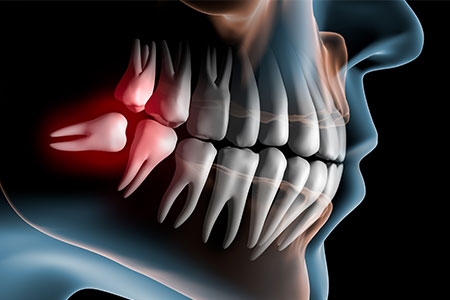
Wisdom teeth often erupt at angles that trap bacteria, crowd other teeth, or create repeated infections. If a wisdom tooth is partially impacted, difficult to clean, or causing pain, tooth extraction may prevent future problems. Younger patients typically heal faster, but adults benefit too when symptoms persist or damage begins.

Protecting Neighbor Teeth and Your Bite

A failing tooth can change how you chew. You may shift to the other side, overwork those teeth, and strain jaw joints. By choosing a timely tooth extraction when a tooth is not savable—and then planning a thoughtful replacement—you protect bite balance and avoid uneven wear on the rest of your smile.

Costs and Planning Ahead

Fees depend on the tooth, the number of roots, and whether sedation or stitches are needed. We’ll provide a written estimate before treatment and outline replacement options with projected timelines. Many patients find that addressing the problem now, rather than “waiting and seeing,” reduces emergency visits and unplanned costs. A planned tooth extraction is almost always easier than an urgent one.

How We Help You Heal Well

Clear instructions, a reachable team, and smart timing make all the difference after tooth extraction. We’ll review food choices, hygiene tips, and what to expect day by day. If you clench or take certain medications, we’ll tailor the plan to your needs. Our goal is steady, predictable healing and a clear path to the replacement that fits your life.

Choosing the Right Next Step

It’s never easy to say goodbye to a tooth, but sometimes removal is the most caring choice you can make for your health. With gentle technique and a plan for what comes next, tooth extraction can be straightforward—and the first step toward feeling like yourself again. When a tooth is non-restorable, acting sooner protects comfort, bone, and budget.

Want honest guidance from a specialist who treats complex teeth every day? Call Lake Houston Endodontics at (832) 777-6056 or visit 19100 West Lake Houston Parkway #103, Humble, TX to schedule a consultation about tooth extraction and replacement planning.