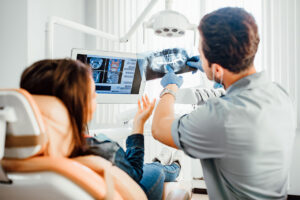

Stomach knots on the drive over. White-knuckle hands in the chair. Racing thoughts when you hear the word “root canal.” If this sounds familiar, sedation dentistry can change your experience. Whether you need a gentle lift with nitrous oxide, a deeper sense of calm with oral medication, or adjustable relaxation through IV sedation, there’s a safe, tailored option to help you receive care without dread.
Why Sedation Dentistry Helps
Anxiety can make numbing less effective and long visits feel impossible. A strong gag reflex, sensitive teeth, or difficult past experiences can add to the challenge. Sedation dentistry smooths the body’s stress response so you can relax while we focus on precise treatment. You stay comfortable, informed, and in control—without feeling overwhelmed by each step.
Your Options: Find the Right Fit
Nitrous oxide (laughing gas). A small mask delivers a light, floaty sense of calm within minutes. It wears off quickly once the mask is removed, and adults can usually drive afterward. Great for short visits and mild anxiety.
Oral sedation. A prescribed pill taken before the appointment helps you feel calm yet responsive. Ideal for moderate anxiety or longer visits. You’ll need a companion to drive you and plan a quiet rest afterward.
IV sedation. Medication through a small IV provides adjustable relaxation moment to moment. It’s the most flexible option for strong anxiety, long procedures, or a pronounced gag reflex. You’ll need an escort and a restful day after.
Safety Is the Standard
Safety anchors every sedation dentistry plan. We review your medical history, medications, and allergies; monitor oxygen, heart rate, and breathing throughout; and follow established sedation guidelines. Doses are tailored to your health and the procedure length. If needed, we coordinate with your physician for added clarity and peace of mind.
Preparing for a Smooth Day
Read your instructions a day or two ahead. For oral or IV sedation, follow fasting guidelines and arrange a ride. Wear comfortable clothing and short sleeves. Bring a list of medications and any dental devices you use (like a nightguard). Plan soft foods and a light schedule for afterward. Simple preparation makes sedation dentistry even easier.
What It Feels Like
Most patients describe a warm, relaxed state with softened edges around the procedure. With nitrous, the effect comes and goes quickly. With oral or IV sedation, you may remember little of the visit. Local anesthesia still numbs the teeth as usual—sedation helps the numbing work without a surge of adrenaline. The combination means less discomfort during and less soreness after.
Who Is a Good Candidate?
Healthy adults with dental anxiety, strong gag reflexes, or complex treatment plans often benefit from sedation dentistry. People with uncontrolled health conditions, certain sleep or breathing disorders, or pregnancy may need modified plans or to postpone elective care. A brief consultation clarifies the safest option for you.
Benefits of Sedation Dentistry
Less anxiety, better comfort. Calm breathing and relaxed muscles make care smoother and faster.
Fewer appointments. Longer, more comfortable visits allow us to complete more in one day.
Improved precision. Stillness helps during delicate steps—especially in endodontic treatment.
Positive momentum. A comfortable experience can replace years of worry with confidence about future care.
Frequently Asked Questions
Will I be asleep? With sedation dentistry in our office, you’re relaxed and responsive—not under general anesthesia. You can answer questions and move when asked.
Can I go to work afterward? After nitrous, often yes. After oral or IV sedation, plan to rest the remainder of the day.
Will I feel pain? Local anesthesia prevents sharp pain; sedation lowers anxiety and minimizes the “fight-or-flight” feeling.
Is it safe? In trained hands, with proper monitoring and screening, sedation dentistry is a safe, well-established part of modern care.
Pairing Sedation with Endodontic Care
Endodontic procedures rely on meticulous work inside narrow canals. Reduced movement and softened gag reflexes help us locate hidden canals, shape complex anatomy, and seal thoroughly. That’s why many patients choose sedation dentistry for root canals, retreatment, apical surgery, or trauma management—comfort for you and precision for us go hand in hand.
Aftercare: The Day of and the Day After
Plan extra hydration, soft meals, and rest. Expect drowsiness after oral or IV sedation; avoid driving or making important decisions until the next day. If you feel chilled, a light blanket helps. Nausea is uncommon and can be managed if it occurs. Most people feel fully back to normal by morning and are relieved by how manageable the appointment felt with sedation dentistry.
Small Steps to Keep Anxiety Low
Even with sedation, practical tools matter: noise-canceling headphones, a pre-agreed hand signal, short “breathing breaks,” and an explain-as-we-go pace. Bringing a trusted friend for drop-off and pick-up adds calm. These little choices make a big difference.
From Worry to Win
You don’t need to push through fear to get the care you deserve. With sedation dentistry, you can choose the level of support that makes treatment doable—today and for the future. Clear planning, careful monitoring, and a calm environment help you say yes to a healthier, more comfortable smile.
Want a visit that actually feels manageable? Contact Lake Houston Endodontics, 19100 West Lake Houston Parkway #103, Humble, TX 77346, to Book an Appointment or call (832) 777-6056 to discuss sedation dentistry options that fit you.