
Gutta-Percha in Root Canal Treatment: What Seals the Inside of Your Tooth?

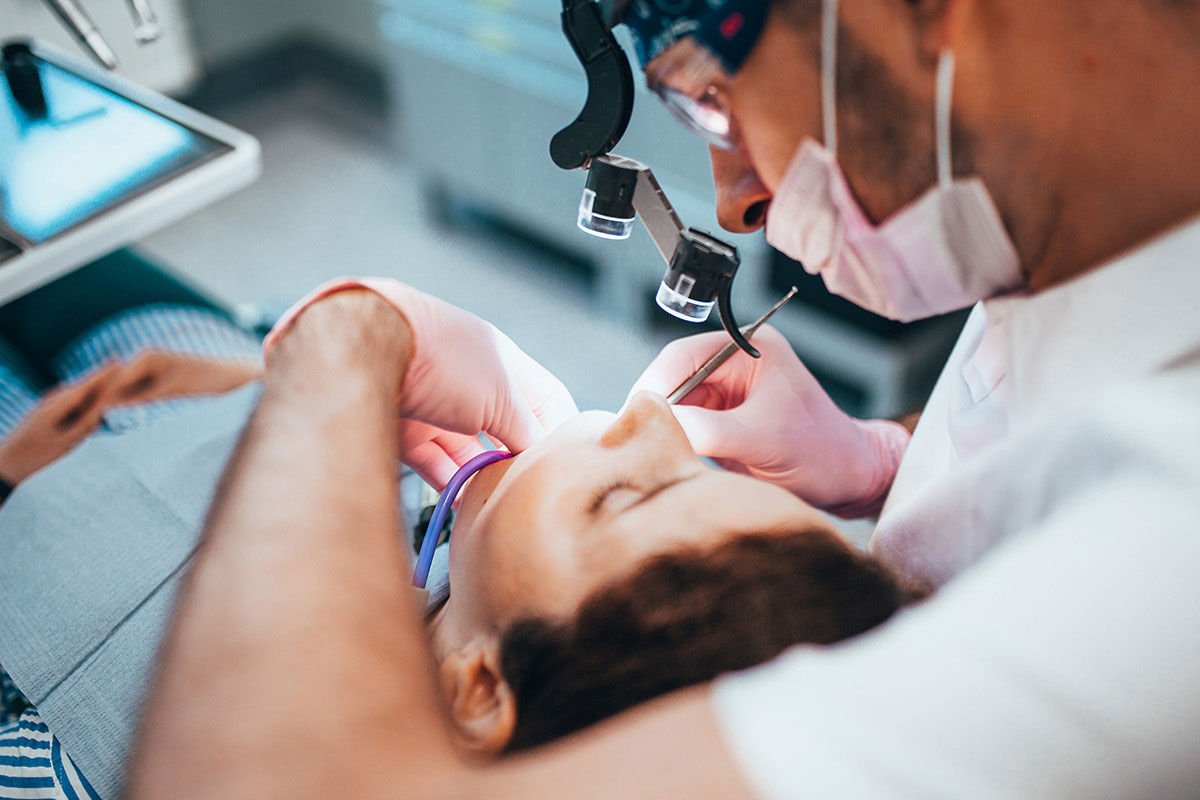
Most patients know that root canal treatment removes inflamed or infected tissue from inside a tooth, but what happens to the empty canals afterward? They are not simply left open. Once the internal spaces have been cleaned, shaped, and disinfected, the endodontist fills them with a material commonly called gutta-percha. Patients learning about root canal treatment in Humble, TX may find the procedure easier to understand when they know how gutta-percha and endodontic sealer work together to close the cleaned canal system.
Gutta-percha is a biocompatible, rubber-like material designed for filling root canals. It does not replace the missing pulp in the way a living tissue transplant would. Instead, it occupies the prepared canal space after the unhealthy pulp has been removed. A sealer is used along with the gutta-percha to help close small spaces between the filling material and canal walls.
Why Root Canals Need to Be Filled
The purpose of root canal treatment is not only to remove unhealthy tissue. The internal space also needs to be cleaned, disinfected, and sealed so bacteria have fewer places to remain or re-enter.
Root canals are narrow pathways that extend through the roots of a tooth. Once diseased pulp has been removed, these spaces cannot simply remain empty and exposed to oral bacteria.
Therefore, the endodontist prepares the canals so they can receive a root filling material. Gutta-percha becomes part of the seal inside the root, while the temporary and permanent restorations above the tooth help prevent contamination from the mouth.
These layers of protection perform different jobs. The root filling seals the prepared canal system internally, while a filling or crown protects the tooth from above.
What Is Gutta-Percha?
Gutta-percha is a flexible, rubber-like material used in endodontics. It is supplied in small tapered forms that can be adapted to the shape of a prepared root canal.
The endodontist selects and fits the material based on the size and shape of the canal. The objective is to fill the canal space thoroughly from the main chamber toward the root tip while preserving the surrounding tooth structure.
Patients sometimes imagine that a root canal leaves a large hollow space inside the tooth. In reality, the canals are prepared carefully and then filled. Gutta-percha becomes a permanent internal component of the treated tooth in most cases.
It does not strengthen the outer tooth by itself. That is why the final restoration remains an important separate part of treatment.
How the Canal Is Prepared Before Filling
Gutta-percha is not placed immediately after the tooth is opened. First, the endodontist must locate the canals and remove inflamed, infected, or nonvital pulp tissue.
Very small instruments are used to shape the canals. Irrigating solutions help clean areas that instruments alone cannot reach. The goal is to create a clean, appropriately shaped internal space that can be filled and sealed.
The canals also need to be sufficiently dry before the final filling is placed. If the tooth requires treatment over more than one appointment, medication may sometimes be placed inside the canal system between visits before the final gutta-percha filling is completed.
The exact process depends on the diagnosis, anatomy, and clinical condition of the tooth.
How Gutta-Percha and Sealer Work Together
Root canals are not perfectly smooth tubes. Their walls may contain irregularities, curves, small extensions, and variations in shape. Therefore, gutta-percha is commonly used together with an endodontic sealer.
The gutta-percha provides the main filling material, while the sealer helps occupy very small spaces between the material and canal walls. The combination is designed to create a stable internal seal.
Different techniques can be used to place gutta-percha. Depending on the tooth and treatment approach, the material may be compacted, adapted, or warmed so it conforms appropriately to the prepared space.
Patients generally do not feel this stage of treatment as a distinct sensation. The tooth is numb, and the filling work occurs inside the cleaned canal system.
Does Gutta-Percha Contain a Nerve?
No. Gutta-percha is not living tissue and does not contain nerves or blood vessels. Once the diseased pulp has been removed, the root canal filling occupies the prepared internal space.
The tooth itself can still function because it remains supported by the ligament, bone, and other tissues surrounding the root. However, the treated tooth can still feel pressure through these supporting tissues.
This is why a root canal treated tooth may feel temporarily tender when chewing even though the nerve tissue inside the canal has been removed. The tenderness usually comes from inflammation around the root rather than from the gutta-percha.
Does Gutta-Percha Stay in the Tooth Permanently?
In most successfully treated teeth, the gutta-percha remains inside the canals long term. It becomes part of the completed root canal filling.
Routine dental care does not require the material to be replaced simply because time has passed. Instead, the tooth is monitored like other teeth through regular dental examinations and appropriate imaging.
If the tooth remains comfortable, the surrounding bone looks healthy, and the restoration remains sealed, no additional endodontic procedure may be needed.
However, a treated tooth can occasionally develop a new problem. In that situation, the gutta-percha may need to be removed during endodontic retreatment so the canals can be cleaned again.
What Happens to Gutta-Percha During Retreatment?
When a previously root canal treated tooth does not heal as expected or develops new disease, an endodontist may recommend retreatment.
During endodontic retreatment, the tooth is reopened and the previous filling material is removed from the canals. This gives the endodontist access to the internal system so it can be examined, disinfected, and treated again.
Removing gutta-percha can also allow the endodontist to look for complicated anatomy that may have contributed to the new problem. Once retreatment is complete, the canals are filled and sealed again.
The ability to remove root filling material when necessary is one reason retreatment can provide another opportunity to save a natural tooth.
Benefits of Gutta-Percha in Root Canal Treatment
- Fills the prepared canal space: Gutta-percha occupies the internal space after unhealthy pulp tissue has been removed.
- Works with endodontic sealer: The materials work together to help close small spaces within the prepared canal.
- Biocompatible use: Gutta-percha is designed for placement inside root canal systems.
- Adaptable to canal anatomy: The material can be fitted and placed according to the shape of the prepared root canal.
- Supports a long-term internal seal: Once treatment is complete, the filling is intended to remain within the canal.
- Can be removed if retreatment is necessary: An endodontist can access the canal again when a previously treated tooth needs additional care.
Gutta-Percha Is Only One Part of the Seal
It is important to distinguish between the internal root canal filling and the restoration above the tooth. Gutta-percha helps seal the prepared canals, but it does not replace the need for a filling, crown, or other restoration over the access opening.
After the endodontist finishes treatment, a temporary filling may be placed. The patient then returns to the general dentist for the permanent restoration recommended for that tooth.
The final restoration helps prevent saliva and bacteria from entering through the top of the tooth. It may also protect weakened tooth structure from fracture.
Therefore, successful treatment relies on both internal and external protection. A well-filled canal system and a well-sealed restoration work together.
Why the Final Crown or Filling Still Matters
Patients sometimes feel so much better after root canal treatment that they delay the restorative visit. However, the gutta-percha does not protect the chewing surface or remaining cusps from fracture.
A temporary filling is also not intended to serve as the permanent outer seal. Temporary materials can wear, loosen, or fracture if left in place longer than recommended.
For many molars and premolars, a crown or another substantial restoration may be recommended because these teeth experience significant chewing force. Front teeth may have different restorative needs depending on the amount of remaining structure.
Follow the restorative plan recommended by your general dentist and endodontist rather than assuming that the internal root filling completes every aspect of treatment.
What if the Root Canal Is Very Narrow?
Some canals become narrow or calcified because additional hard tissue develops inside the tooth. Trauma, aging, and previous dental work can contribute to these changes.
In a narrow canal, locating and preparing the internal space can require additional precision. The endodontist must first gain safe access before gutta-percha can be placed.
Advanced magnification, specialized instruments, and appropriate imaging can help in selected cases. Once the reachable canal system has been cleaned and shaped, the filling technique is adapted to the tooth’s anatomy.
In unusual situations where nonsurgical access is severely limited, other treatment approaches may need to be discussed.
Can Gutta-Percha Cause Tooth Pain?
Post-treatment tenderness is usually associated with the tissues around the root rather than the gutta-percha itself. Those tissues may already have been inflamed before treatment, and the procedure can temporarily make the area more noticeable.
Patients may therefore feel mild pressure sensitivity for a period after a root canal. This sensation should generally improve rather than intensify.
Severe pain, increasing swelling, drainage, or symptoms that worsen after initially improving deserve a call to the endodontic office. The dental team can determine whether the experience fits routine healing or needs further evaluation.
How Imaging Helps Evaluate the Root Filling
Dental images can help an endodontist evaluate the shape and extent of the completed root canal filling. They also provide information about the surrounding bone and root anatomy.
Follow-up imaging may be recommended over time when the tooth previously had inflammation or infection around the root. Bone healing does not happen instantly, so radiographic improvement can continue after the patient already feels comfortable.
Lake Houston Endodontics uses dental technologies to support diagnosis and treatment planning for endodontic care.
Frequently Asked Questions About Gutta-Percha
What is gutta-percha used for in a root canal?
Gutta-percha is used to fill the cleaned and shaped root canal space after unhealthy pulp tissue has been removed.
Does gutta-percha replace the tooth’s nerve?
No. It does not function as nerve tissue. It occupies the prepared canal space after the diseased pulp is removed.
Does gutta-percha stay in the tooth permanently?
In most treated teeth, it remains inside the root canal system long term unless retreatment becomes necessary.
Can gutta-percha be removed?
Yes. During endodontic retreatment, the previous filling material can be removed so the canals can be examined, cleaned, disinfected, and filled again.
Do I still need a crown or filling after gutta-percha is placed?
Yes. The internal root canal filling does not replace the need for an appropriate permanent restoration over the tooth.
Understanding What Happens Inside the Tooth
Gutta-percha in root canal treatment plays a specific but important role. The material fills the prepared canal system after diseased pulp has been removed, while endodontic sealer helps close small spaces around it. The outer restoration then provides another layer of protection above the tooth.
If you have questions about root canal treatment or need an evaluation for tooth pain, contact Lake Houston Endodontics in Humble, TX. Call Us Today at (832) 777-6056 or Contact Us to schedule an appointment and learn more about how gutta-percha is used during endodontic treatment.