
Front Tooth Root Canal vs Molar Root Canal: Why Tooth Location Changes Treatment

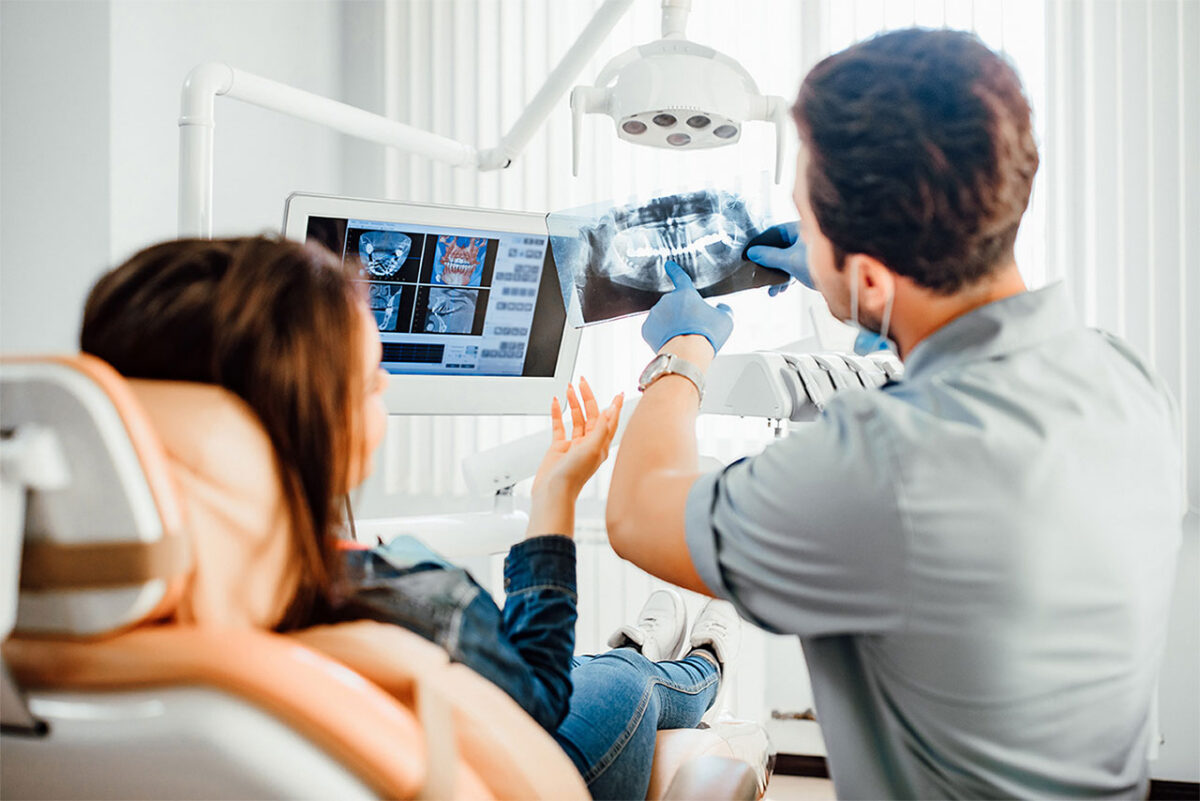
A root canal follows the same basic tooth-saving principles whether the problem is in a front tooth or a back tooth, but the treatment experience is not always identical. The number of roots, canal anatomy, chewing forces, restoration needs, and even the way symptoms appear can differ substantially. Understanding a front tooth root canal vs molar root canal can help patients know why one procedure may take more time or require a different restoration than another. Lake Houston Endodontics provides root canal treatment in Humble, TX for teeth throughout the mouth when the pulp becomes inflamed or infected.
Patients sometimes assume that every root canal is exactly the same procedure. In reality, endodontists adjust their technique to the anatomy of the tooth in front of them. A front incisor often has one main root and canal, while a molar may contain several roots and multiple canals. Nevertheless, both treatments share the same main objective: remove diseased pulp tissue, disinfect the internal spaces, seal the canals, and preserve the natural tooth when possible.
What All Root Canal Treatments Have in Common
Every permanent tooth has an internal pulp space. The pulp contains nerves, blood vessels, and connective tissue. Deep decay, fractures, trauma, or repeated dental procedures can damage this tissue and eventually create symptoms or infection.
During root canal treatment, the tooth is first evaluated and numbed. A dental dam is placed to isolate the treatment area. Next, the endodontist creates an access opening and uses small instruments to reach the pulp chamber and canals.
The canal spaces are then cleaned, shaped, disinfected, and filled. A temporary restoration may protect the opening until the general dentist completes the final restoration.
These fundamental steps apply whether the patient needs a front tooth root canal or molar root canal. The differences arise mainly from anatomy, access, chewing function, and the amount of remaining tooth structure.
Front Teeth Often Have Simpler Root Anatomy
Incisors and canines are the teeth toward the front of the mouth. Many have one main root with one principal canal. This anatomy can make the internal system more straightforward to locate than the multiple canals commonly found in molars.
However, a front tooth should never be assumed to be easy simply because it usually has fewer canals. Trauma can narrow or calcify the canal space. Previous restorations can alter the normal anatomy. Root curvature and unusual canal shapes can also increase complexity.
Front teeth are commonly affected by dental injuries because they are more exposed during falls, sports accidents, and collisions. As a result, some front tooth root canal cases involve old trauma rather than decay.
An injured tooth may also require long-term monitoring because pulp changes can develop well after the original accident.
Molars Can Have Multiple Roots and Canals
Molars are designed for heavy chewing. Their wider crowns and more complicated roots help distribute biting forces, but that anatomy can also make endodontic treatment more detailed.
A molar can contain several roots and multiple canals. Some canals divide or merge. Others curve significantly or become extremely narrow. Small accessory spaces can add another layer of complexity.
Because untreated canal anatomy can contribute to persistent disease, an endodontist carefully examines the tooth to locate the internal pathways that need treatment. Magnification, illumination, imaging, and specialized instruments can all assist with this process.
Therefore, a molar root canal may require more treatment time than a front tooth root canal, although the exact appointment length depends on the individual case.
How Symptoms Can Differ
The symptoms of pulp disease can overlap regardless of the tooth involved. Patients may experience lingering sensitivity to temperature, spontaneous aching, biting tenderness, swelling, or a gum bump near the affected root.
However, location can influence how easy the source is to identify. A painful front tooth is sometimes easier for a patient to pinpoint because the tooth is isolated visually and physically from the back teeth.
Molar pain can be more difficult to localize. Several back teeth may feel similar, and referred pain can make one molar seem responsible when another tooth is actually the source.
This is why endodontic testing is important. The endodontist compares nearby teeth instead of relying only on where the patient points.
Access Is Different in Front and Back Teeth
To reach the root canal system, the endodontist creates a small access opening. In a front tooth, access is often created from the back surface so the visible front surface can be preserved when possible.
For molars and premolars, the opening is typically made through the chewing surface. Because molars can contain several canals spread across a wider pulp chamber, the access design must allow the endodontist to identify and treat those internal spaces.
The opening is planned conservatively while still providing enough visibility and instrument access to clean the canals effectively. Preserving healthy tooth structure is important because the treated tooth still needs to withstand normal function afterward.
Why Molars Often Need More Time
A molar root canal frequently involves more canals than treatment on an incisor or canine. Each canal must be located, measured, cleaned, disinfected, shaped, and filled.
In addition, molar canals may curve or narrow. Calcification can make the original pathway difficult to locate, and previous dental work may change the landmarks inside the crown of the tooth.
None of this means that a molar root canal is necessarily more uncomfortable. Local anesthetic is used to keep the procedure comfortable. The difference is primarily technical complexity rather than how much pain a patient should expect during treatment.
Some treatments are completed in one visit, while others are divided into more than one appointment. The schedule is based on the tooth’s anatomy, infection, and clinical findings.
How Restoration Needs Can Differ
The final restoration is one of the major differences when comparing a front tooth root canal vs molar root canal. Molars absorb substantial chewing force and often already contain large fillings or damaged cusps.
As a result, many back teeth need a crown or another protective restoration after root canal treatment. Coverage helps distribute chewing forces and protects weakened tooth structure.
A front tooth may sometimes be restored with a bonded filling if enough healthy structure remains. However, a crown or another restoration may still be recommended when the tooth has extensive damage, a large existing filling, fracture, or other structural concern.
The endodontist treats the inside of the tooth, while the general dentist evaluates the restoration needed above the gumline.
Benefits of Understanding Front Tooth vs Molar Root Canal Treatment
- More realistic expectations: Patients understand why appointment length can differ between tooth types.
- Better understanding of anatomy: The number and shape of roots help explain why some cases are more complex.
- Clearer restorative planning: Patients can prepare for the possibility of a crown or other restoration after treatment.
- Less comparison between procedures: A friend who had a fast front tooth procedure may have had very different anatomy from someone needing molar treatment.
- Greater appreciation of diagnosis: Testing helps identify the correct tooth when back-tooth pain is difficult to localize.
- Support for long-term tooth preservation: Understanding both endodontic and restorative care encourages patients to complete the full treatment plan.
Do Front Teeth and Molars Recover Differently?
Both types of teeth can feel tender after root canal treatment. Pressure sensitivity usually comes from the tissues surrounding the root rather than from the pulp tissue that was removed.
A molar may be more noticeable during chewing because back teeth carry heavier biting forces. Therefore, patients may be advised to chew on the opposite side while a temporary filling is present.
A front tooth may be less involved in grinding food, but it still experiences force when biting into foods. Patients should therefore avoid using a temporarily restored front tooth to bite directly into hard items.
In either situation, discomfort should generally trend toward improvement. Increasing swelling, severe pain, or a temporary restoration that comes out should be reported.
How Technology Supports Different Tooth Types
Standard dental imaging provides useful information about root anatomy and surrounding bone. However, complicated cases may require additional detail.
Lake Houston Endodontics uses dental technologies that support diagnosis and treatment planning. Magnification can help the endodontist identify small canal openings, while advanced imaging can provide additional information about root shape and internal anatomy when indicated.
These tools can be particularly helpful in molars with several canals or teeth that have calcified after trauma. Technology does not change the basic goal of treatment, but it can improve the endodontist’s view of a complex case.
What About Retreatment?
Front teeth and molars can both occasionally require additional endodontic care after an earlier root canal. However, retreating a molar may involve removing filling material from several canals and searching for anatomy that was difficult to identify during the original procedure.
A front tooth may have fewer canals, but a post or crown can complicate access. Therefore, retreatment difficulty depends on more than tooth position.
Lake Houston Endodontics provides endodontic retreatment for previously treated teeth that develop new symptoms or disease.
Frequently Asked Questions About Front Tooth vs Molar Root Canal Treatment
Is a front tooth root canal easier than a molar root canal?
Front teeth often have fewer canals, but treatment complexity depends on the individual anatomy, previous dental work, calcification, trauma, and other factors.
Does a molar root canal hurt more?
A molar root canal should not automatically be more painful. Local anesthetic is used for comfort. Molars may simply require more detailed treatment because they often have multiple canals.
Does every molar need a crown after a root canal?
Many molars need substantial restorative protection because they handle heavy chewing forces, but the final recommendation depends on the amount of remaining tooth structure and other factors.
Can a front tooth need a crown after root canal treatment?
Yes. A crown or another restoration may be recommended when the front tooth has extensive damage, large restorations, fractures, or other structural concerns.
Why can molar pain be difficult to locate?
Nearby back teeth can produce similar sensations, and referred pain may make it difficult to identify the source without clinical testing.
Treatment Is Tailored to the Tooth
Comparing a front tooth root canal vs molar root canal shows why endodontic care cannot be reduced to one identical procedure for every tooth. The principles of cleaning, disinfecting, filling, and sealing remain consistent, but root anatomy, access, chewing forces, and restorative needs influence the details.
If you have been told you need root canal treatment, Lake Houston Endodontics can evaluate the specific tooth and explain what its anatomy means for your care. Call Us Today at (832) 777-6056 or Contact Us to schedule an appointment in Humble, TX.