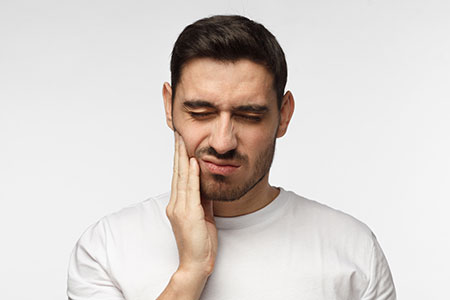
In a single moment—on the field, at the pool, even in your kitchen—teeth can take a hit. A chipped corner, a loose tooth, or a tooth knocked out entirely can feel overwhelming. The good news is that traumatic dental injury care is organized, stepwise, and time-sensitive. With the right first steps and a clear plan, most injured teeth recover well and keep doing their job for years.
First Things First: Calm, Clean, and Call
For any traumatic dental injury, start with the basics. Control bleeding with gentle pressure. Rinse the mouth with clean water—don’t scrub. Apply a cold compress to limit swelling. If a permanent tooth is knocked out, pick it up by the crown (top), gently rinse with milk or saline if dirty, and reinsert it in the socket if possible, holding it in place with light pressure. If you can’t reinsert, place it in milk or saline—never dry storage—and seek care immediately. Time matters: the first hour has the best odds for long-term success.
Common Types of Traumatic Dental Injury
Chipped enamel. Often painless and quick to smooth or restore. Still, it’s smart to check for hidden cracks.
Fractured cusp or crown. A larger break can expose dentin or pulp, leading to temperature sensitivity or biting pain.
Luxation injuries. The tooth is pushed sideways, moved out, or pushed in (intruded). These injuries can traumatize the ligament and pulp.
Avulsion. The entire permanent tooth is dislodged—this is a true emergency.
Root fracture. A split within the root that may not show until a 3D scan is taken.
What the Specialist Will Do
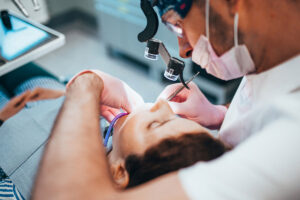
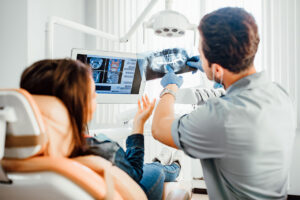
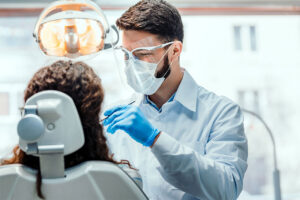
Diagnosis directs everything in traumatic dental injury care. Expect focused imaging (digital X-rays or CBCT), vitality testing to gauge nerve status, and a careful bite exam to see where forces land. Displaced teeth are gently repositioned and stabilized with a flexible splint for one to two weeks (longer for certain injuries). If the pulp becomes necrotic—more common in mature teeth after luxation or avulsion—a root canal may be recommended to remove infection and protect the root from resorption.
Why Follow-Up Is Non-Negotiable
Teeth can act fine at first and change later. That’s why traumatic dental injury care includes scheduled check-ins at 2 weeks, 4–6 weeks, 3 months, 6 months, and 1 year (or as advised). We monitor color changes, sensitivity, mobility, and radiographic healing. Catching pulp changes early lets us intervene before pain or swelling returns.
Pain Control and At-Home Care
Most discomfort is manageable with over-the-counter medication and cold compresses for the first day. Eat soft foods, avoid biting with the injured teeth, and keep the area clean with gentle brushing. If a splint was placed, follow instructions about brushing and flossing around it. Call if swelling increases, the splint loosens, or the bite feels “off.”
When Root Canals Are Needed After Trauma
Not every injured tooth needs a root canal. Younger teeth with open roots can sometimes recover vitality. Mature teeth are more likely to lose vitality after a traumatic dental injury, especially if displaced. If tests or imaging show the pulp is failing, root canal therapy removes infected tissue, disinfects the canal, and seals it to prevent further damage. Timely treatment prevents root resorption and protects the tooth long term.
Benefits of Prompt Traumatic Dental Injury Care
Tooth preservation. Early repositioning and stabilization protect the ligament and support bone healing.
Better comfort, faster. Addressing inflammation and adjusting the bite reduces pain quickly.
Lower risk of complications. Prompt care reduces the chance of resorption, infection, and long-term mobility.
Clear roadmap. Scheduled follow-ups remove guesswork and keep recovery on track.
Kids, Teens, and Adults: Different Plans, Same Goal
Children’s teeth have larger pulp spaces and open roots, which can be good news for healing. We aim to keep the pulp alive when possible and may use regenerative approaches if the root is still developing. Teens and adults tend to have more mature roots; decisions lean toward stabilization and, when needed, root canal therapy to prevent infection and resorption. Across ages, the goal in traumatic dental injury care is the same: preserve the natural tooth whenever it’s predictable.
Sports and Life: Prevention That Works
Custom mouthguards make a dramatic difference for athletes. At home, skip chewing ice and hard kernels that can fracture enamel. If you grind your teeth at night, a simple nightguard reduces stress on teeth and restorations. These small habits lower your risk of a future traumatic dental injury.
Frequently Asked Questions
Should baby teeth be reinserted? No. Reimplanting baby teeth can harm the developing permanent tooth bud.
What if I can’t see a crack? Many cracks are microscopic. Pain on release when biting is a classic clue; imaging and transillumination help us find the source.
Can I go back to school or work? Often, yes—especially after minor injuries. Avoid contact sports until cleared.
Will the tooth change color? It might. Color change signals pulp changes. We’ll monitor closely and treat if needed.
Getting Back to Normal
With quick first aid and professional guidance, most people with a traumatic dental injury return to comfortable, confident chewing. The key is timely stabilization, honest diagnosis, and steady follow-up. Those steps turn a bad moment into a manageable chapter—and keep your smile moving forward.
Need help now or want a clear plan after an accident? Contact Lake Houston Endodontics, 19100 West Lake Houston Parkway #103, Humble, TX 77346, to Schedule a Consultation or call (832) 777-6056 right away.
Word count: 1,284 words