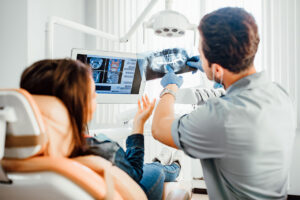
White-knuckle grip on the chair? Racing thoughts before an appointment? You’re not alone. Dental anxiety is common, and it can keep people from getting the care they need. The good news: modern sedation gives you choices. With oral medication, inhalation with nitrous oxide, and IV sedation, dental anxiety can be managed in a way that fits your comfort and your treatment plan.
Understanding Dental Anxiety
Dental anxiety shows up in different ways—trouble sleeping the night before, a knot in the stomach on the drive over, or a strong gag reflex in the chair. Triggers vary, but the results are similar: people delay care, pain lingers, and problems grow. Acknowledging dental anxiety is the first step. The second is choosing a safe, tailored approach to help you relax so you can receive care without stress.
Option 1: Oral Sedation
Oral sedation uses a prescribed pill taken before your visit. It reduces dental anxiety and helps you feel calm while staying responsive. For mild to moderate dental anxiety, this option works well for many treatments. You’ll need a companion to drive you, and you’ll want a quiet day afterward. Your dental team reviews your medical history and medications to select the right dose and ensure safety.
Option 2: Inhalation Sedation (Nitrous Oxide)
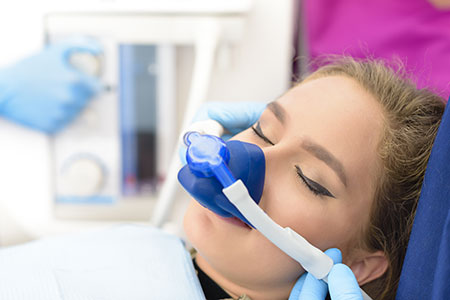
Nitrous oxide—sometimes called “laughing gas”—is a breathable mix delivered through a small mask. It eases dental anxiety within minutes and wears off quickly once the mask is removed. You stay awake, can respond to questions, and many people describe a light, floaty feeling. Because recovery is fast, you can often drive yourself home. Nitrous is a versatile option for quick visits, kids, and adults who want a gentle layer of relaxation.
Option 3: IV Sedation
For significant dental anxiety or longer procedures, IV sedation offers deeper relaxation with medication delivered through a small vein. You remain responsive but may remember little of the visit. IV sedation allows the clinician to adjust the level of sedation moment to moment, which is helpful for complex treatment or strong gag reflexes. A responsible adult must accompany you and stay with you as the medication wears off.
Safety and Monitoring
All forms of sedation are paired with careful monitoring of breathing, heart rate, and oxygen levels. Your medical history, allergies, and current medications are reviewed beforehand. Fasting guidelines, if needed, are explained clearly. The goal is steady, predictable comfort throughout your visit while maintaining protective reflexes and safe oxygen levels.
Who Qualifies—and Who Shouldn’t Use Sedation
Most healthy adults with dental anxiety qualify for at least one option. People with certain health conditions, untreated sleep apnea, or pregnancy may need modified plans. Your team follows established guidelines for dosage, monitoring, and emergency readiness. If you’re unsure, ask. A short consultation can determine the right approach for your body and your level of dental anxiety.
Preparing for a Calmer Visit
Clear instructions make a big difference. Wear comfortable clothes. Avoid heavy meals if fasting is recommended. Arrange a ride for oral or IV sedation. Plan a light day afterward. Write down your concerns and goals—when dental anxiety is named, it’s easier to manage. Noise-canceling headphones, a cozy blanket, and an explain-as-we-go pace also help many patients feel settled.
Comparing the Options at a Glance
Oral Sedation
Simple, effective for moderate dental anxiety; requires an escort; amnesia is possible.
Nitrous Oxide
Fast on, fast off; great for short visits; you can usually drive yourself afterward.
IV Sedation
Adjustable depth, ideal for strong dental anxiety or long procedures; requires an escort and recovery time.
Side Effects and Aftercare
Some people feel drowsy, light-headed, or chilled after sedation; others simply feel relaxed. Hydrate, rest, and avoid important decisions for the day if you took oral or IV medication. Call the office if nausea or prolonged dizziness occurs. Most patients feel normal by the next morning and are surprised to realize how easy the appointment felt—dental anxiety often fades once a positive experience replaces an old memory.
Sedation for Root Canals and Endodontic Care
Sedation isn’t just for surgery. For root canals, cracked-tooth treatment, or retreatment, sedation can turn a stressful appointment into a straightforward one. Numbing still happens as usual; sedation simply helps quiet dental anxiety so numbing can work without a rush of adrenaline. Because endodontic visits sometimes involve small, precise steps, being still and relaxed supports both comfort and efficiency.
Behavioral Tools That Help, Too
Sedation works best alongside simple strategies. A pre-agreed hand signal gives you control. Short “breathing breaks” reset your nervous system. Music masks clinical sounds that trigger dental anxiety. For some, a quick text to a loved one before the appointment lowers the heart rate more than any pill. Small choices add up to a sense of control.
Insurance and Costs
Coverage varies, but nitrous oxide is often affordable, and oral or IV sedation may be covered when dental anxiety is documented or when longer procedures are planned. You’ll receive a written estimate before your visit so there are no surprises. The real value is getting needed care done—comfortably and safely—so problems don’t escalate.
Benefits (In Line with Professional Guidance)
Reduced Stress Response
Clinical guidance supports that sedation lowers anxiety and helps control blood pressure and heart rate during care.
Improved Tolerance for Treatment
Evidence shows sedation can improve cooperation, decrease gag reflex, and allow longer procedures to be completed efficiently.
High Patient Satisfaction
Professional surveys consistently report that patients with dental anxiety rate their experience as more positive when appropriate sedation is used with proper monitoring.
A Calmer Way to Care
Dental anxiety doesn’t have to stand between you and a healthy smile. With oral sedation, inhalation sedation, and IV sedation, you can choose the level of support that makes care feel comfortable and doable—today and for the future. The first step is a conversation about what worries you and what relief looks like for you.
Want a calmer visit that actually feels manageable? Call Lake Houston Endodontics at (832) 777-6056 in Humble, TX to book an appointment and talk through safe sedation options for your needs.